Youth Empowerment & Agribusiness
From Idle to Entrepreneur
The Green Revolution of Obaria Beach’s Youth
I have spent enough mornings on the shores of Lake Victoria to know the rhythm of Obaria Beach. For years, that rhythm was dictated entirely by the wild catch. When the nets came up empty, the entire village felt the immediate sting of poverty. I would watch dozens of capable, intelligent young men and women sitting idle by the boats. Their potential was wasting away simply because the lake was exhausted and local jobs were completely non-existent. This idleness was a heavy blanket over the community, frequently breeding substance abuse and a quiet, lingering despair.
But if you walk through those same paths today, the atmosphere has fundamentally changed. The transformation did not come from an endless stream of charity. It came through the deliberate, structured agribusiness programs launched by Bero Ngima CBO. I sat down with several of these young residents to understand exactly how this shift occurred, and their answers all pointed to one core truth. They did not want handouts. They wanted ownership.
Farming the Water
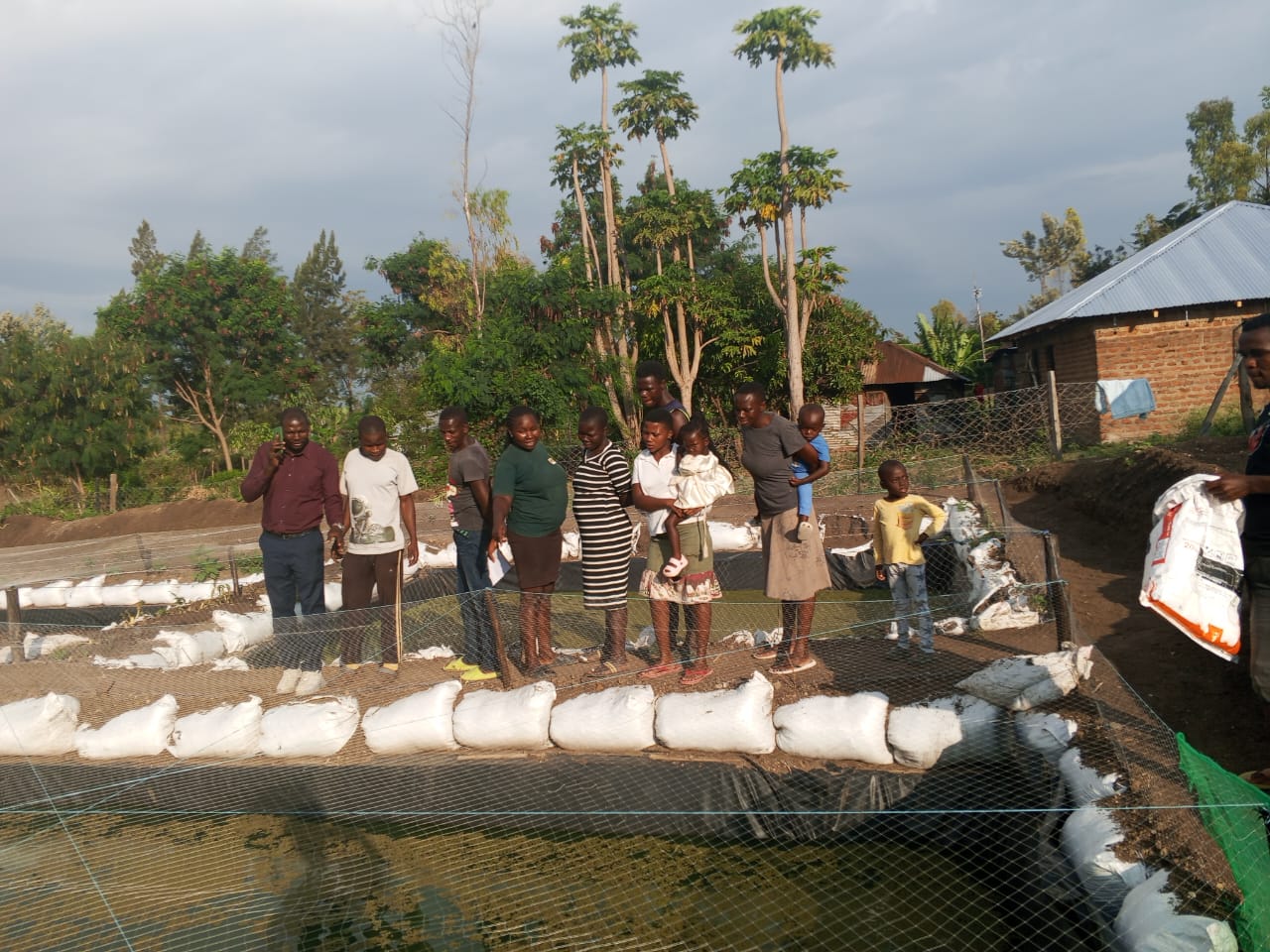
“We used to wait for the lake to give us a living,” one young farmer told me as he meticulously measured nutrient feed for a massive, thriving fishpond. “Now, we farm the water ourselves.”
Bero Ngima constructed these high-yield community fishponds and turned them into live agricultural training centers. I watched as youths who once spent their days loitering were now managing water quality, calculating feed ratios, and aggressively negotiating market prices. Once they master the trade, the organization provides them with high-quality fingerlings to start their own household ponds. The multiplier effect is staggering. They are no longer idle dependents; they are independent food producers generating actual, sustainable wealth for their families.
Growing Futures from the Soil
The empowerment extends far beyond the water. Just a few miles away, I visited the vast indigenous tree nurseries managed entirely by local youth. Young women are expertly grafting fruit trees and cultivating timber saplings, which are then sold to local governments and landowners for regional reforestation.
I spoke with a young woman managing a long row of healthy mango saplings. She explained how her income from the nursery finally allowed her to send her younger sister to secondary school. This is the exact ripple effect that Bero Ngima envisioned. Income generated by the youth flows directly back into the education and health of the community.
“They did not just give us a job. They gave us an industry. For the first time, we are in control of what happens tomorrow.”
Restoring Human Dignity
Even the local sand mining industry has been transformed. Previously an informal and highly dangerous hustle, Bero Ngima organized unemployed young men into formal, regulated cooperatives. They now work safely, negotiate better market prices as a collective, and pool a portion of their earnings into a communal savings account to protect against future emergencies.
Witnessing this firsthand changes how you view poverty. The youth of Obaria Beach were never the problem; the lack of infrastructure was. By merging vocational training with tangible agribusiness assets, Bero Ngima is doing much more than just creating jobs. They are restoring human dignity. They are proving that when you give young people the right tools and trust them with genuine responsibility, they will rebuild their own community from the ground up.
The Agribusiness Impact
- Transitioned unemployed youth into profitable, independent fish farmers.
- Created stable green jobs through community-managed tree nurseries.
- Formalized dangerous sand mining into safe, regulated cooperatives.
- Generated sustainable local food security independent of wild fishing.