Transforming Lives Through Sustainable Empowerment

BERO NGIMA empowers vulnerable youth in Obaria Beach through skills training, education, and pathways to sustainable livelihoods. We improve access to clean water, sanitation, healthcare, and psychosocial support while addressing key social challenges. Our programs promote environmental conservation, youth entrepreneurship, and vocational development, supported by a rescue center for shelter and transformation. Through Community Voices, residents shape inclusive solutions that build resilience and deliver lasting social and economic impact.

1000+
Households Reached
5000+
Community Members
250+
Beneficiaries Trained
50+
Sponsored
100+
Businesses Launched
About Us

Improving Lives at Community Level

BERO NGIMA, meaning “improving lives” in Luo, is a Community-Based Organization (CBO) founded in January 2022 by young professionals committed to addressing the socio-economic decline and poverty faced by communities around Lake Victoria’s Kavirondo Gulf, particularly Obaria Beach. The organization aims to empower residents through targeted, sustainable, and community-driven interventions.

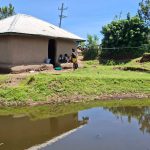
Obaria Beach is a lakeside fishing settlement with approximately 900 households and a population of 4,000, of whom over half are youth aged 15–35 years. The community faces challenges including poverty, unemployment, poor access to clean water, inadequate sanitation, limited healthcare, substance abuse, teenage pregnancies, child labour, prostitution, and high morbidity rates.
  • Registered Community-Based Organization
  • Youth-led and community-driven approach
  • Focus on sustainable livelihood solutions
  • Holistic empowerment programs
  • Strong community partnerships
Our Vision

To create an equitable, healthy, and empowered society where all individuals have access to essential services, opportunities for personal and economic growth, and live in dignity within sustainable and inclusive communities.

Our Mission

To address socio-economic inequalities and enhance quality of life by improving access to essential services, promoting education and skills development, fostering health and well-being, advocating for sustainable and inclusive policies, and empowering individuals to build resilient, productive, and self-reliant communities

What We Do

Our Programs

Comprehensive, integrated interventions designed to break cycles of poverty and build sustainable livelihoods

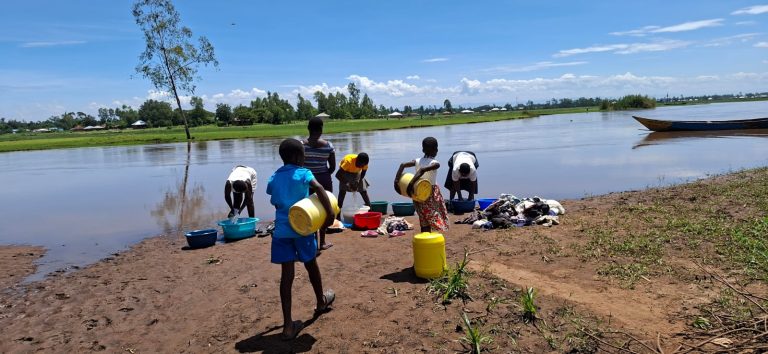
Access to Clean Water

Ensure every resident has safe, reliable, and sufficient water for drinking, cooking, and hygiene.

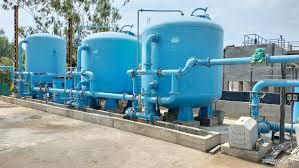
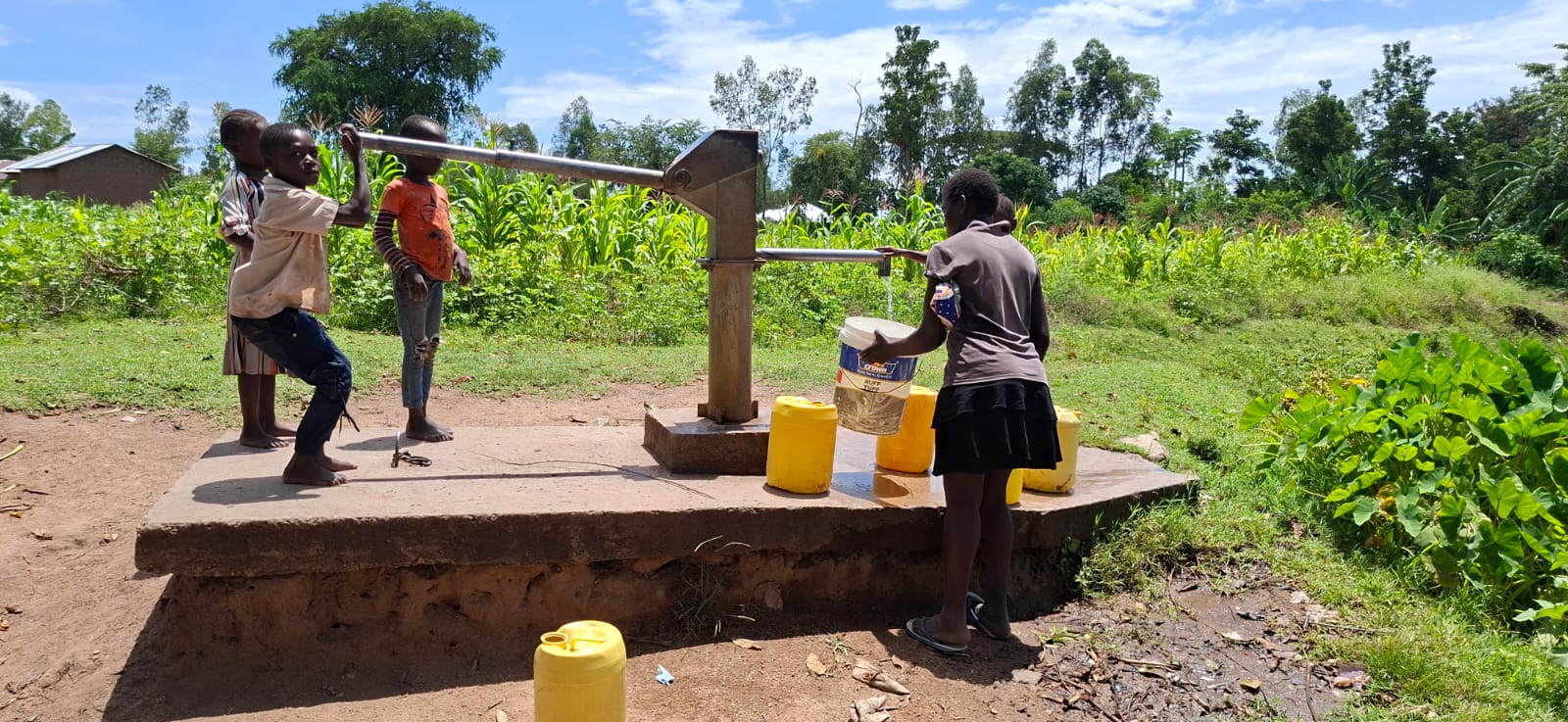
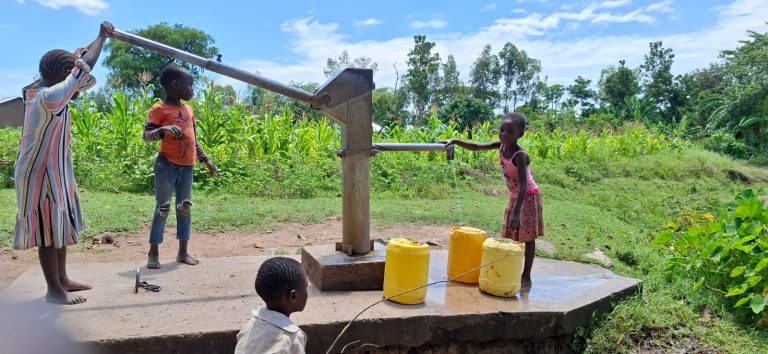
  • Lake Water Treatment & Distribution: Install taps, pumps, and treatment systems to purify lake water. Store treated water in community tanks, strategically located for easy access. This reduces reliance on untreated water and lowers waterborne diseases.
  • Rainwater Harvesting: Establish rooftop and community-based rainwater collection systems at schools, health facilities, and households, particularly during the rainy season, to supplement water supply.
  • Water Purification Support: Distribute purification chemicals (e.g., chlorine tablets) and household filtration devices to ensure water is safe for drinking. Provide demonstrations on proper usage.
  • Community Education on Safe Water Practices: Conduct interactive workshops on water storage, hygiene, and safe handling practices to prevent contamination. Train community health volunteers to sustain the practice.

Hygiene & Sanitation

Improve hygiene practices and sanitation infrastructure to prevent disease outbreaks.

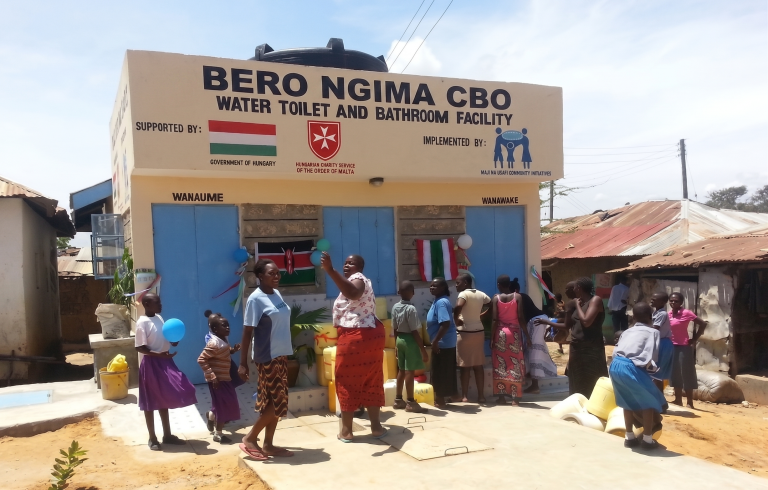
  • Construction of Sanitation Facilities: Build and maintain public latrines, handwashing stations, and community washrooms in strategic locations. Ensure facilities are safe, gender-segregated, and accessible to people with disabilities.
  • Waste Management Programs: Set up collection points and composting stations. Train local groups to manage solid waste responsibly.
  • Hygiene Awareness Campaigns: Run community workshops, school programs, and campaigns on handwashing, personal hygiene, menstrual hygiene, and safe food handling.
  • School Sanitation Programs: Establish hygiene clubs in schools, provide sanitation kits, and ensure clean learning environments.

Healthcare Services

Increase access to quality healthcare and preventative health services.

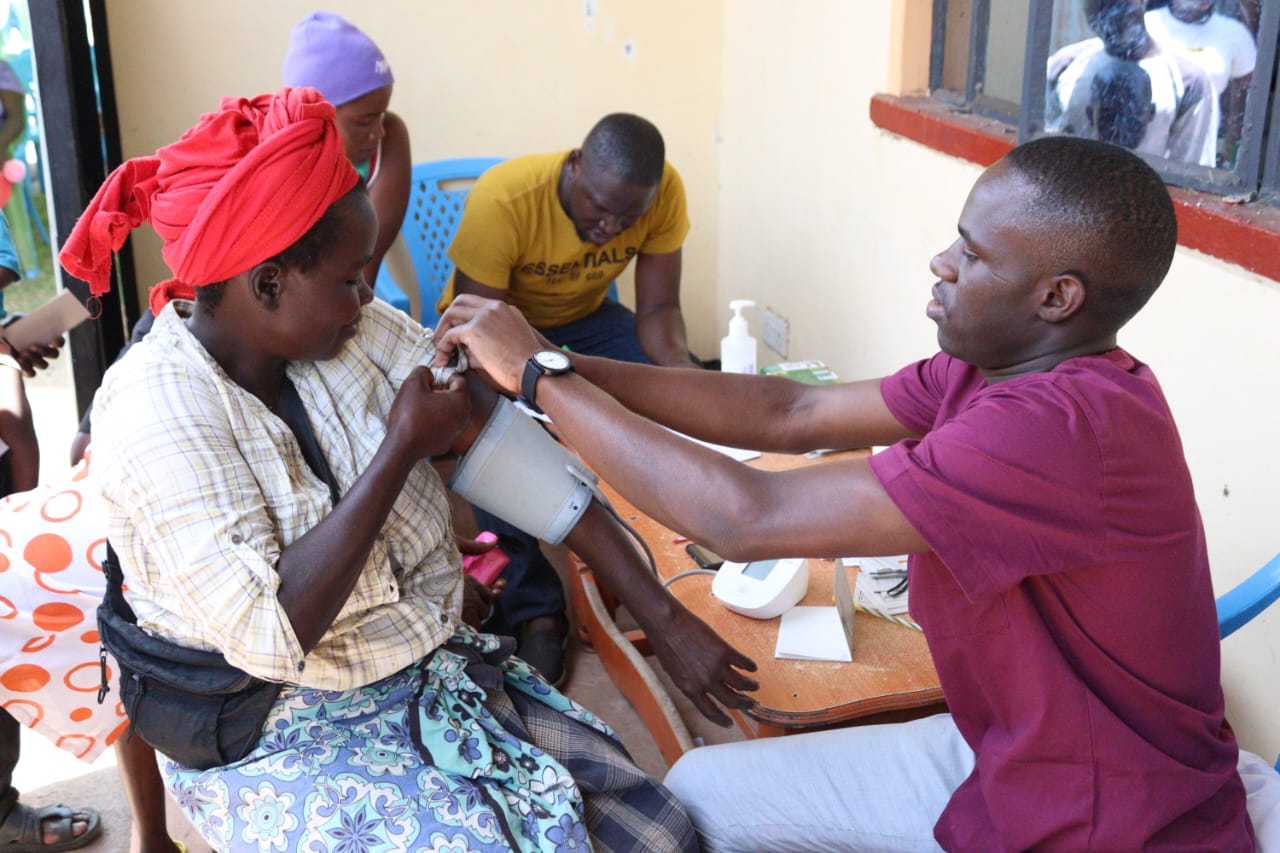
  • Community Clinic Operations: Run a low-cost clinic offering general consultation, maternal and child care, pharmacy services, and minor emergency care.
  • Free Medical Camps (FMCs): Organize periodic outreach camps providing health check-ups, vaccinations, treatment for common illnesses, and referral services.
  • Vaccination & Disease Prevention: Partner with government health departments to administer immunizations for children and conduct anti-malaria, TB, and HIV/AIDS awareness programs.
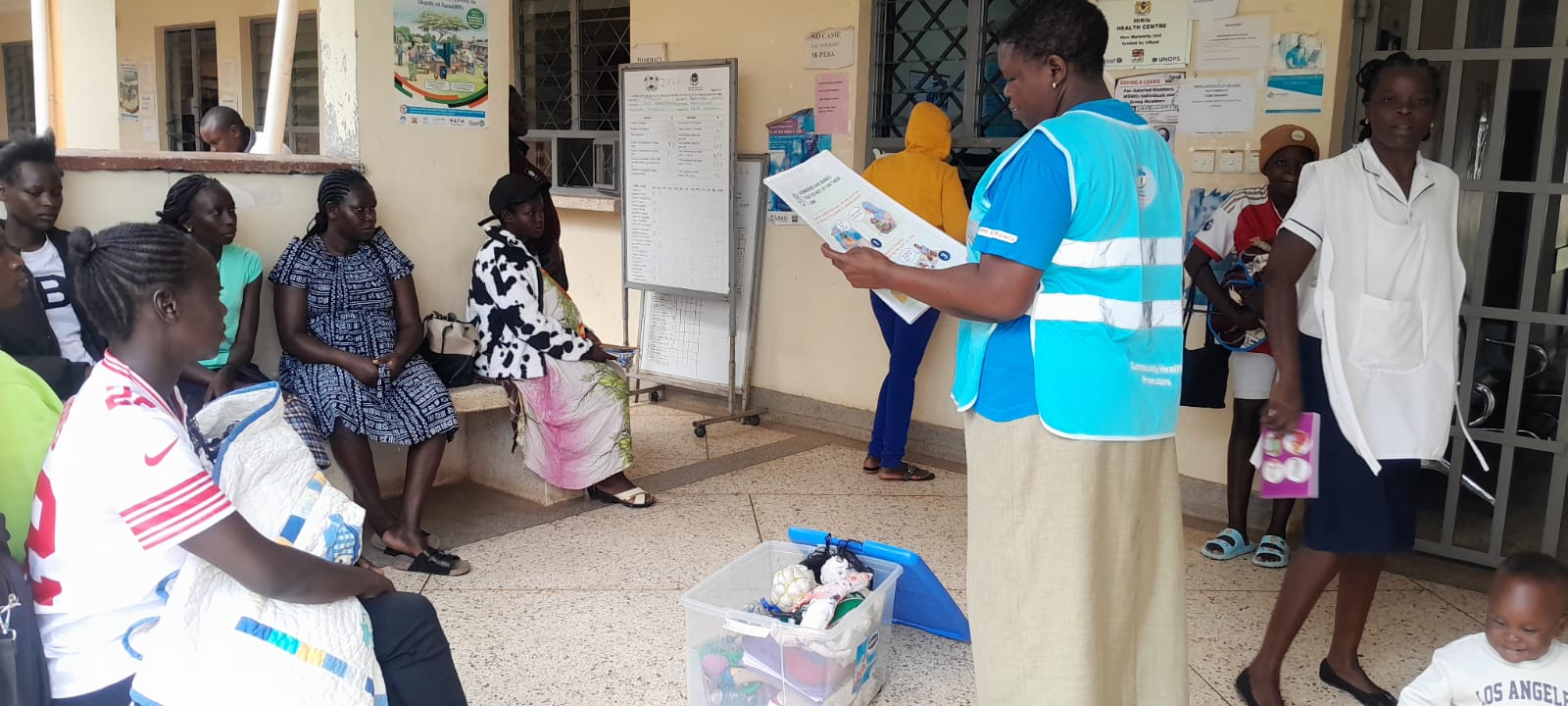
  • Health Education Sessions: Educate the community on nutrition, maternal health, hygiene, reproductive health, malaria, and other prevalent diseases.

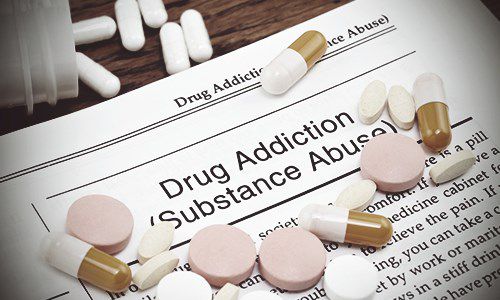
Drugs & Substance Abuse

Prevent substance abuse and support recovery for affected individuals.

  • Rehabilitation Program Enrollment: Identify and recruit individuals struggling with substance abuse into structured recovery programs, including detox and counseling.
  • Psycho-Social Support: Offer counseling, peer support groups, mentorship, and life skills development to promote recovery and reintegration.
  • Community Awareness Campaigns: Conduct school and community workshops, street outreach, and media campaigns on the dangers of substance abuse.
  • Family Engagement: Hold sessions with families to educate them on support mechanisms, coping strategies, and relapse prevention.

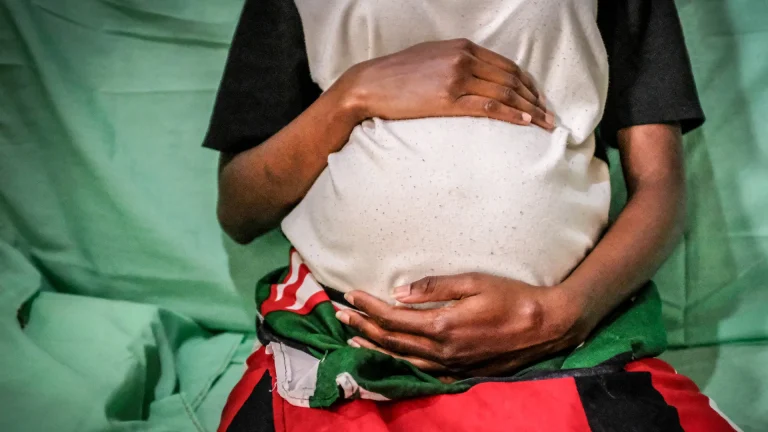
Teenage Pregnancy Prevention

Reduce teenage pregnancies and support continued education and empowerment.

  • Sexual & Reproductive Health Education: Conduct workshops, peer sessions, and school talks covering puberty, contraception, consent, and healthy relationships.
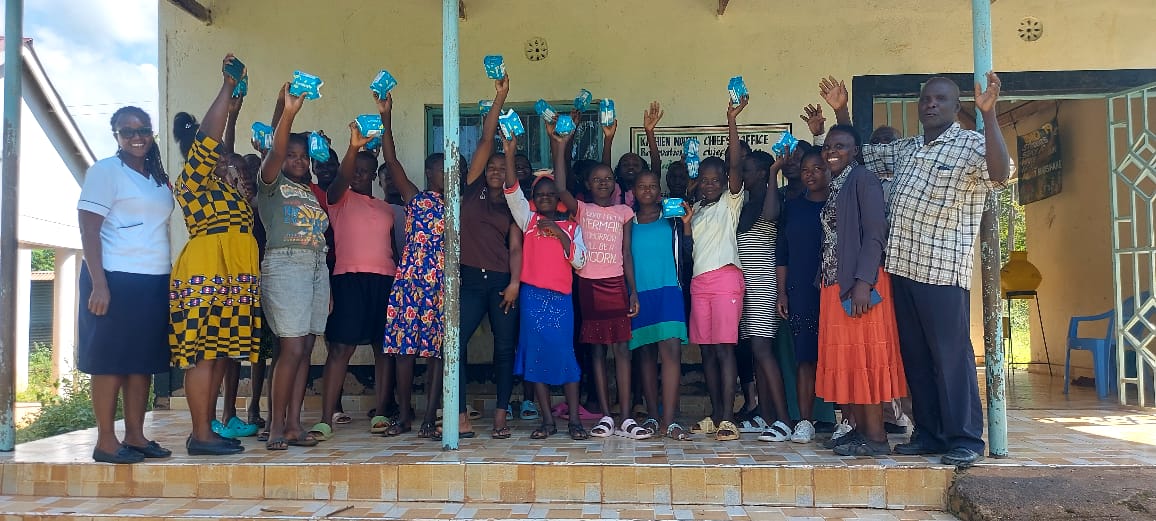
  • Support for School-Going Girls: Provide sanitary products, mentoring, psychosocial counseling, and academic support to ensure continued school attendance.
  • Parent & Community Workshops: Engage parents, guardians, and community leaders on youth guidance and reproductive health awareness.
  • Youth Clubs & Peer Education: Form youth groups to foster dialogue, mentorship, and advocacy on teenage pregnancy prevention.

Child Protection & Gender-Based Support

Protect children and women from abuse, exploitation, and neglect.

  • Rescue & Support Services: Identify and provide safe shelter for children and women at risk of violence, child labor, or sexual exploitation.
  • Reintegration Programs: Support rescued individuals by enrolling them back into school or vocational training and monitoring their progress.
  • Counseling & Psychosocial Support: Provide trauma counseling, mentorship, and life skills development for victims to regain confidence and independence.
  • Community Behavior Change Programs: Conduct campaigns to prevent gender-based violence and raise awareness of rights and protective mechanisms.

Our Projects & Activities

Improving lives through sustainable interventions around Lake Victoria.

View All Reports
Charity & Support for Vulnerable Groups

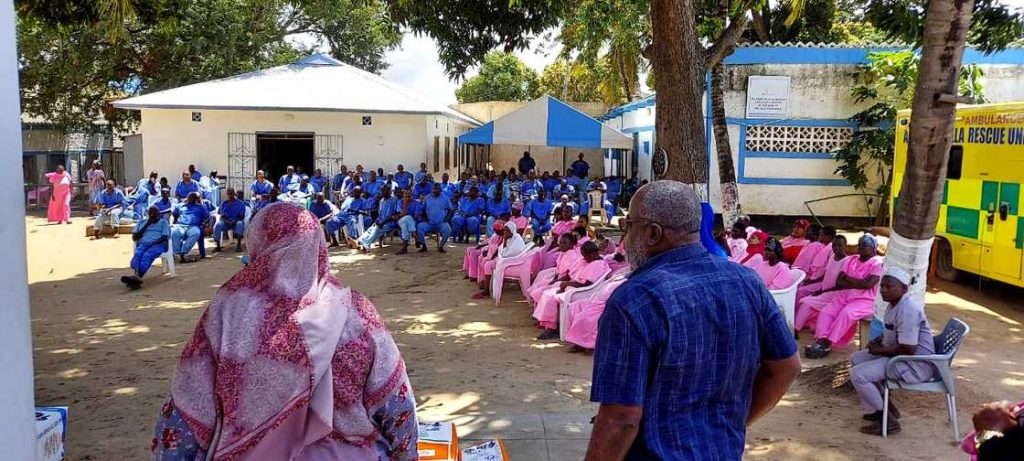
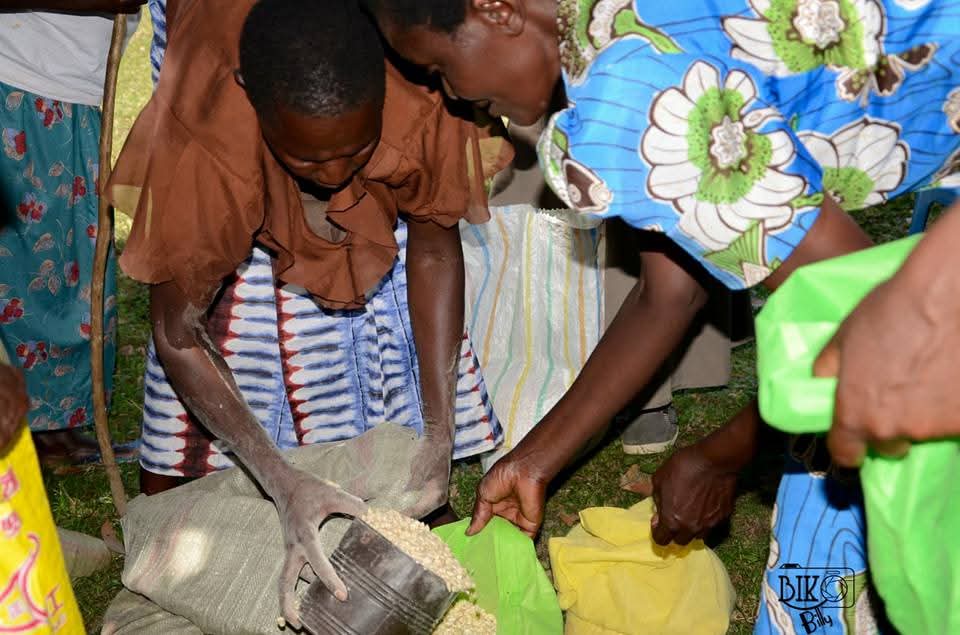
Charity & Support for Vulnerable Groups Projects Implemented Comprehensive humanitarian assistance providing a safety net…

Scholarships & Sponsorship for Education

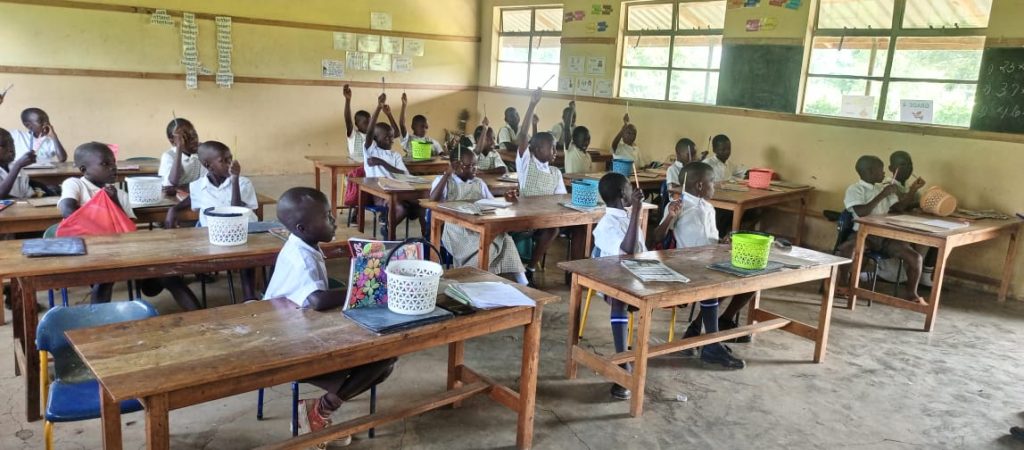
Scholarships & Sponsorship for Education Projects Implemented Dedicated financial and resource support ensuring that orphans,…

Sensitization & Advocacy

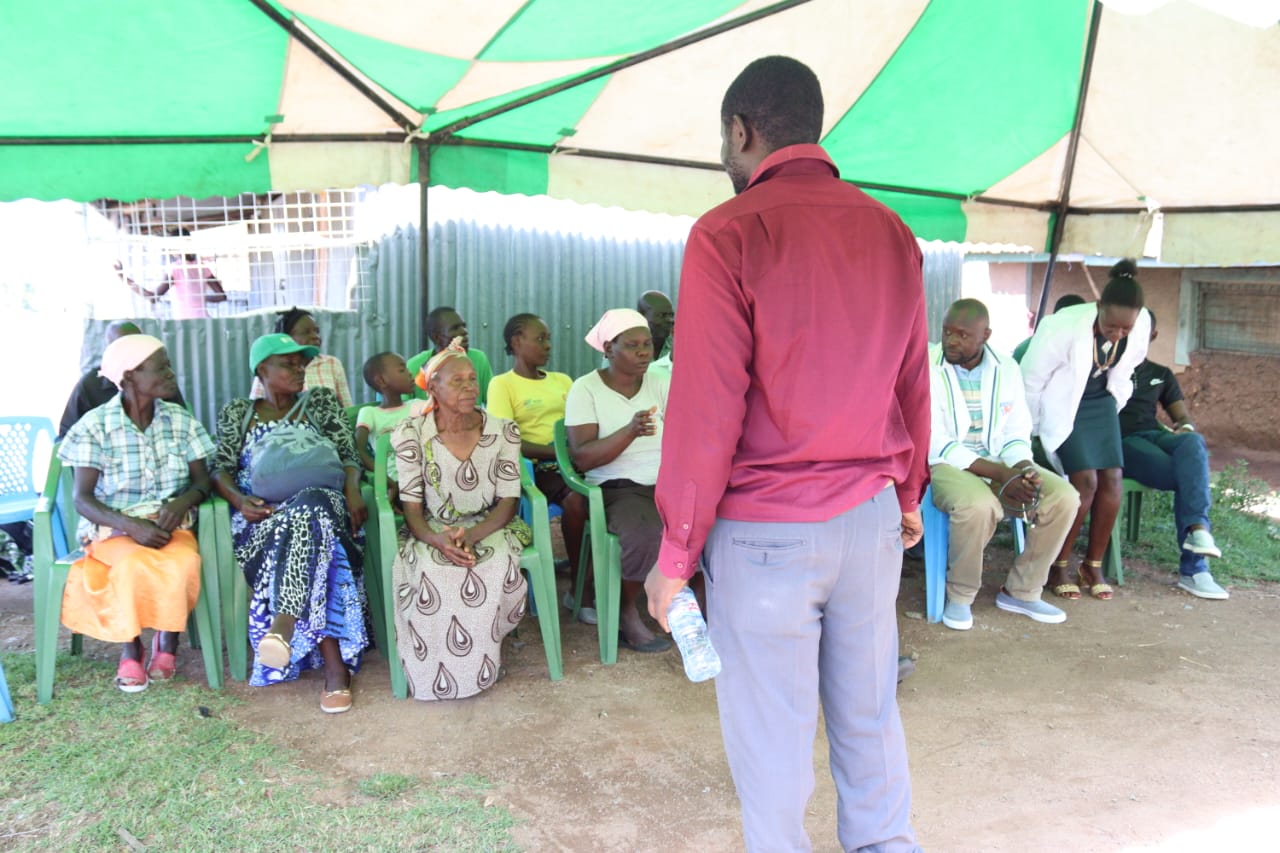
Sensitization & Advocacy Projects Implemented Community-driven awareness and advocacy programs designed to foster social change…

Healthcare

Healthcare Projects Implemented Affordable and accessible healthcare services for residents of Obaria Beach, Homa Bay…

Hygiene & Sanitation

Projects Implemented Community sanitation and hygiene campaigns across Obaria Beach, Homa Bay County. Public latrines…

Media Center

Media & Press

Explore our video stories, photo galleries, and media coverage

Photo Gallery

Trusted by Partners & Stakeholders