Hygiene & Sanitation
The Foundation of Community Health
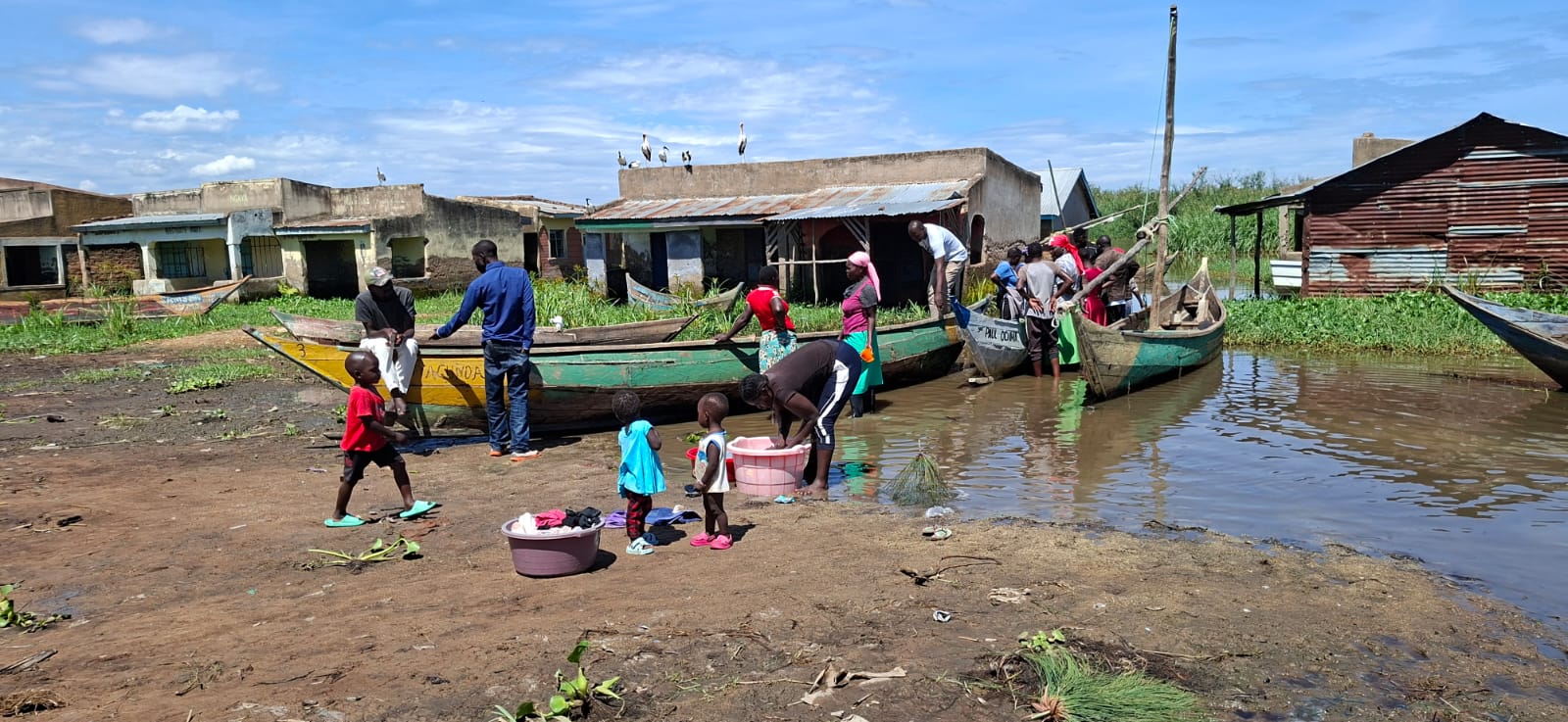
Providing clean water is only half the equation. Without robust sanitation infrastructure and dedicated hygiene education, communities remain highly vulnerable to rapid disease outbreaks. In Obaria Beach, inadequate waste management and a lack of accessible latrines compromise both the environment and public health.
This burden disproportionately affects the most vulnerable among us—particularly women, school-going girls, and individuals with disabilities. True community health requires a comprehensive approach to how we manage waste and protect personal hygiene.
Our Objective
“To eradicate preventable diseases and restore human dignity by building inclusive sanitation infrastructure and cultivating lifelong hygiene practices across the Obaria Beach community.”
How We Drive Change
Bero Ngima treats hygiene and sanitation as fundamental human rights. We execute this program through four targeted, community-driven initiatives:
Inclusive Sanitation Infrastructure
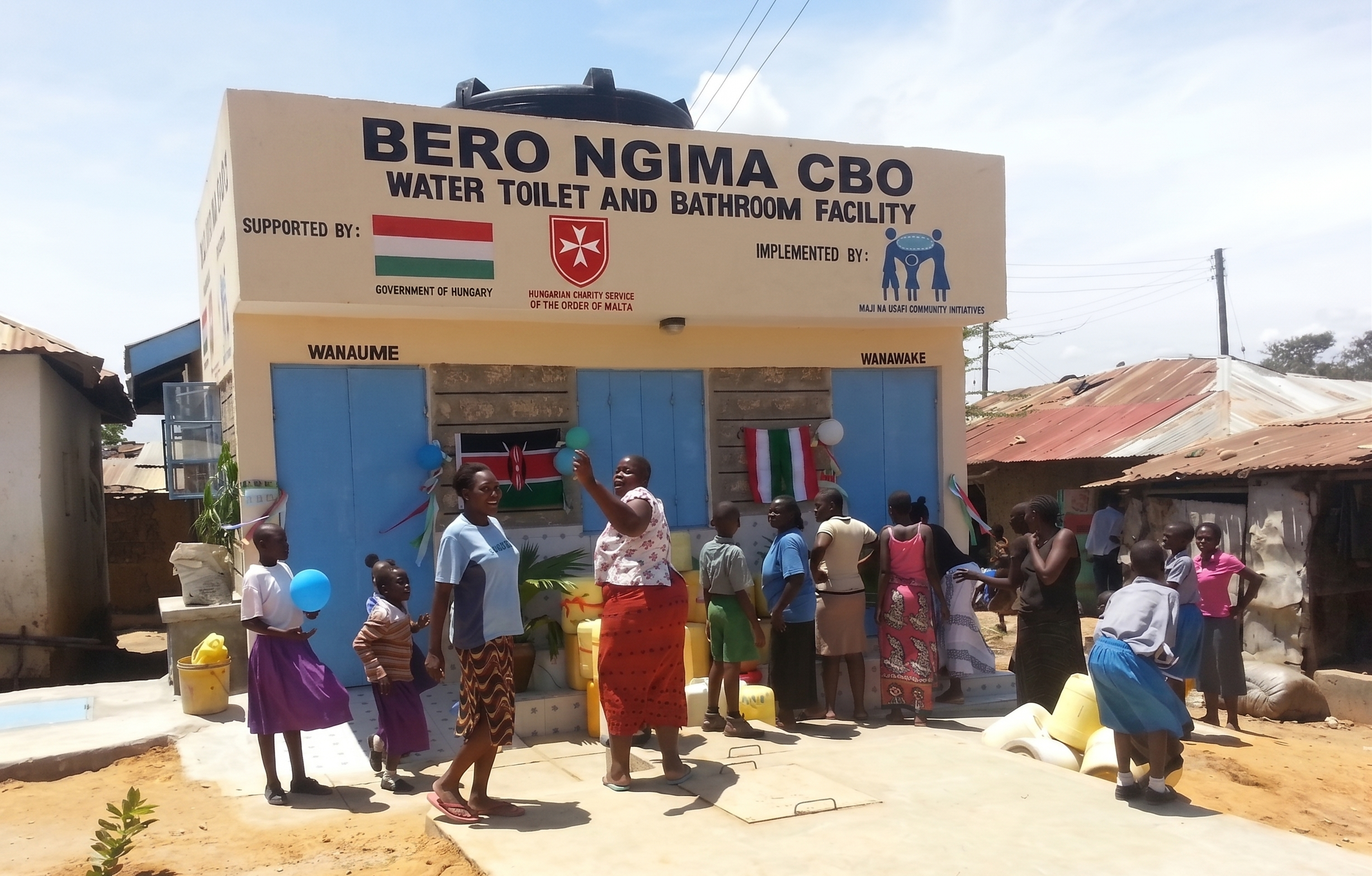
We build and maintain public latrines, handwashing stations, and community washrooms in strategic locations. Crucially, we ensure every facility we construct is structurally safe, strictly gender-segregated to protect women and girls, and fully accessible to people with disabilities.
Comprehensive Waste Management
A clean environment prevents vector-borne diseases. We are establishing dedicated waste collection points and community composting stations. By training local youth groups and community members to manage solid waste responsibly, we turn environmental hazards into sustainable practices.
Targeted Hygiene Awareness
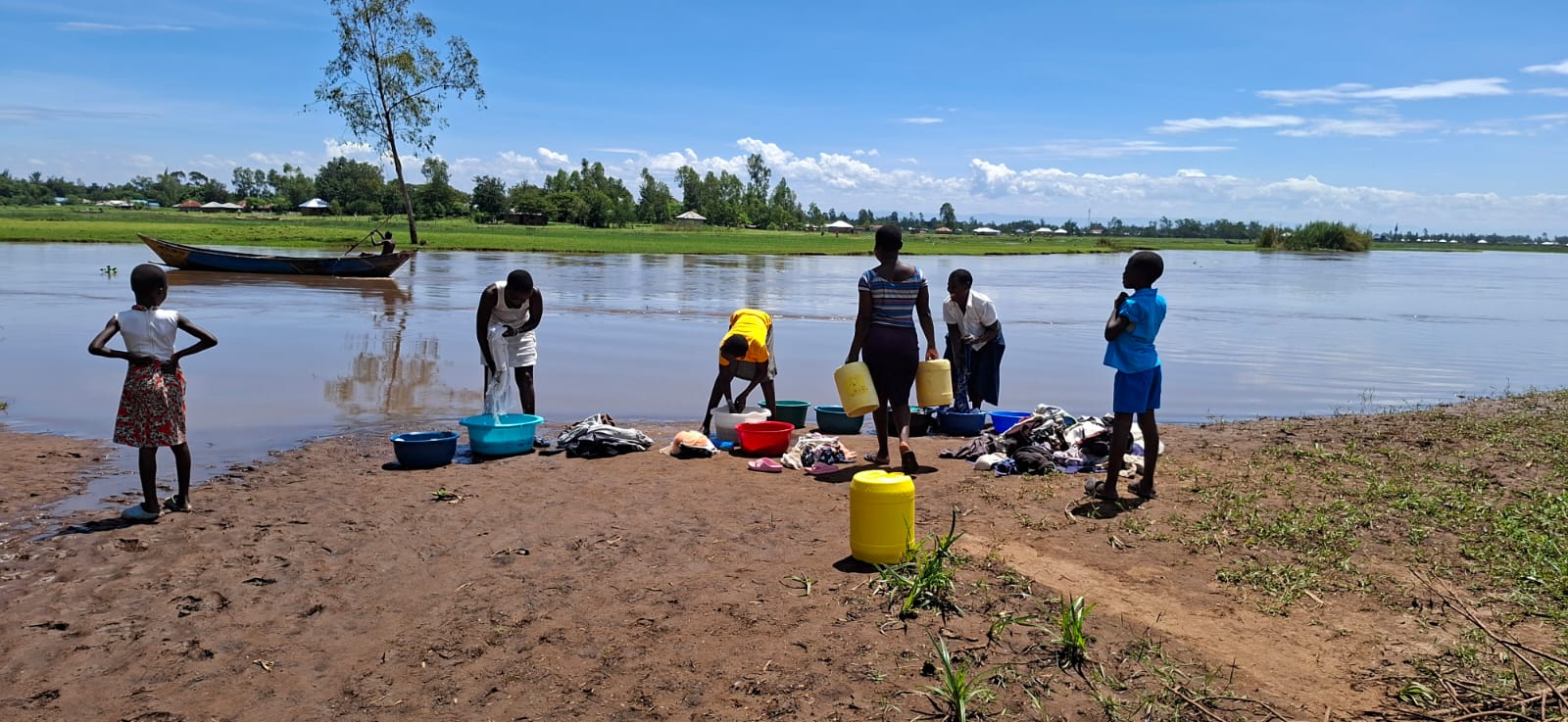
Infrastructure must be paired with education. We run high-impact community workshops covering critical topics such as personal handwashing, safe food handling, and domestic cleanliness. We also place a major emphasis on Menstrual Hygiene Management (MHM) to break stigmas and empower women.
School-Based Sanitation Programs
Children are the best advocates for behavioral change. We establish student-led “Hygiene Clubs” in local schools, distribute essential sanitation kits, and partner with educators to ensure a safe, clean learning environment that keeps students healthy, dignified, and focused on their education.
Measuring Our Impact
We ensure our sanitation initiatives deliver real, lasting results for the community by tracking key health and environmental indicators.
Significant reduction in the incidence of diarrheal and vector-borne diseases.
Enhanced dignity and increased school attendance for women and girls.
Tons of solid waste safely collected, managed, and sustainably composted.
Number of functional, accessible community latrines and wash stations built.