Environmental Conservation
The Ecological Lifeline of Obaria Beach
For the residents of Obaria Beach, the local environment is the foundation of their entire economy. Lake Victoria and the surrounding lands provide the daily sustenance and income that keep this community alive. However, rapid climate change, unsustainable fishing practices, and severe localized pollution are actively degrading these vital natural resources.
When the ecosystem suffers, the community immediately faces food insecurity and economic collapse. We recognize that environmental degradation is an urgent humanitarian crisis.
Our Stewardship Strategy
“To aggressively promote the sustainable use of natural resources and cultivate a permanent culture of environmental stewardship. We mobilize the community to restore their own ecosystems, transforming waste into economic resources, and educating residents on climate resilience.”
Our Conservation Initiatives
We do not just talk about climate change. We take direct, hands-on action to restore our land, protect our lake, and empower our residents to manage their resources sustainably.
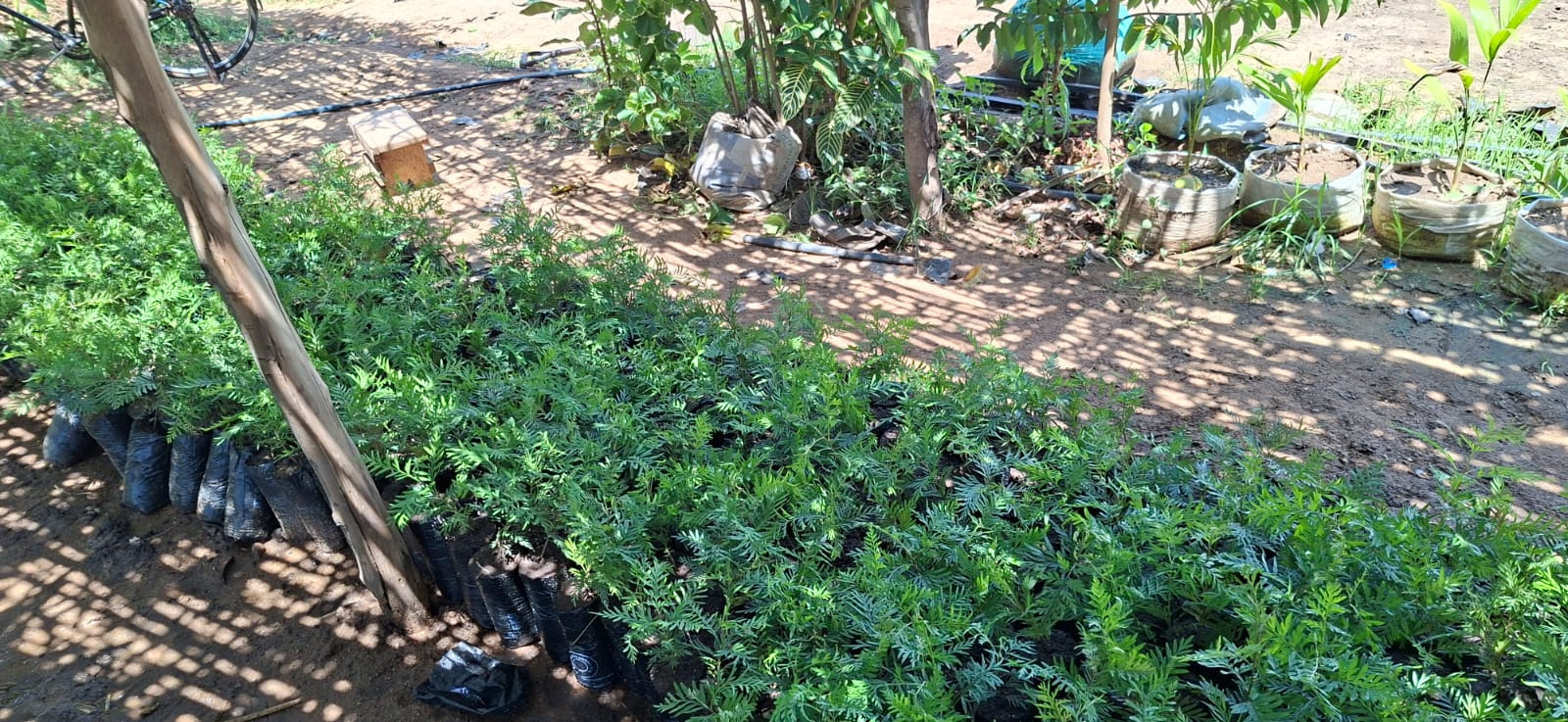
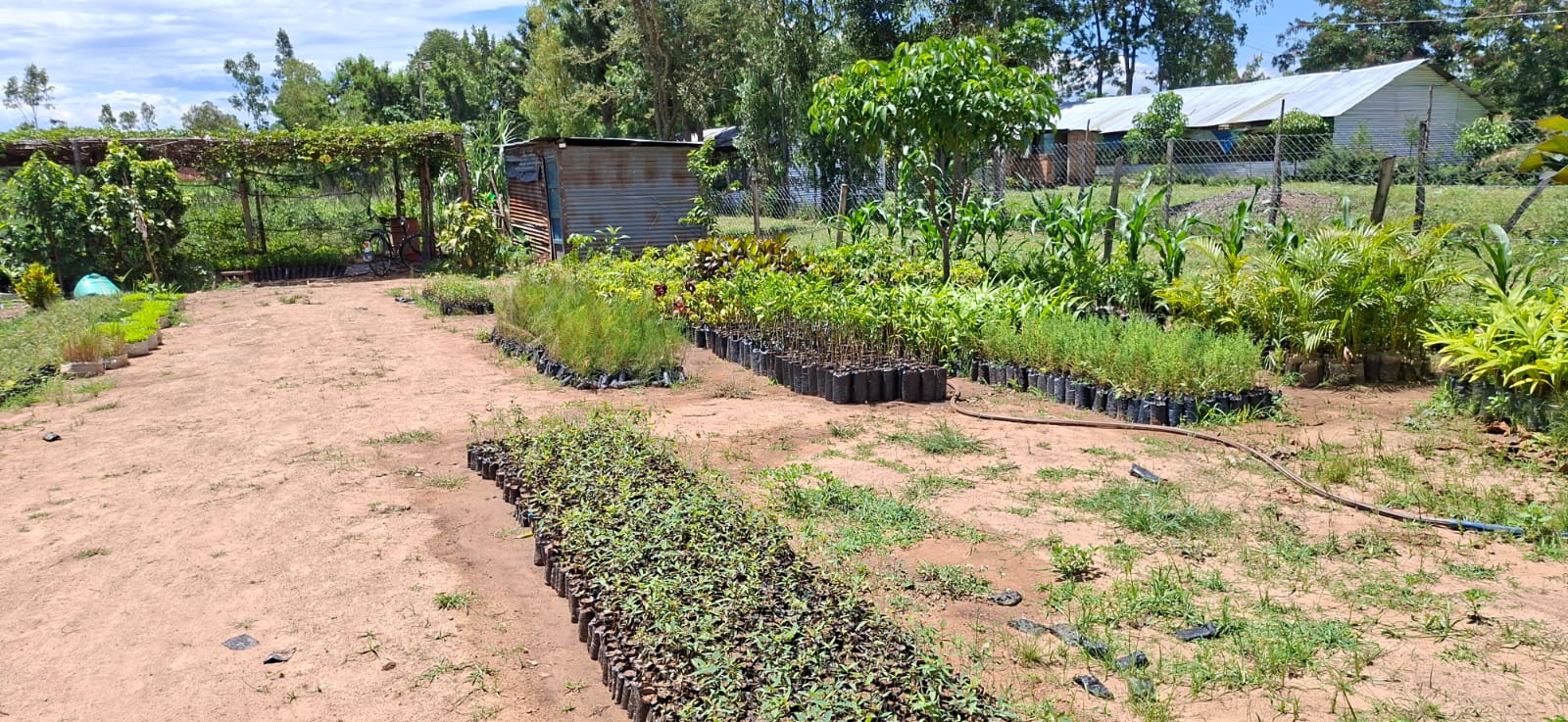
Strategic Tree Planting Campaigns
Deforestation and severe soil erosion pose massive threats to the structural integrity of Obaria Beach. As natural vegetation is cleared for fuel or development, the vulnerable soil along the riverbanks and the lake basin washes away, degrading water quality and destroying agricultural potential. To combat this, we organize large-scale, strategic tree planting campaigns designed to physically anchor the land and restore the local ecological balance.
We focus exclusively on indigenous species that are naturally adapted to the local climate. By mobilizing local youth groups, school children, and adult community members, we plant thousands of these native trees along critically endangered riverbanks, within school compounds, and across barren public spaces. This hands-on involvement ensures the community feels directly responsible for the survival and growth of the saplings.
The long-term benefits of this initiative are profound. As these indigenous trees mature, they act as powerful carbon sinks, stabilize the fragile topsoil, and create cooler microclimates that benefit local agriculture. Most importantly, by reforesting the water catchments, we are actively protecting the water quality of Lake Victoria, which is the absolute lifeblood of the entire region.
Environmental Awareness Workshops
A community cannot protect resources they do not fully understand. In many developing regions, there is a dangerous knowledge gap regarding the direct link between daily human activity and long-term climate change. Residents often engage in environmentally damaging practices simply because they are unaware of the long-term consequences. We bridge this critical gap through continuous, high-impact environmental awareness workshops.
Our expert facilitators conduct interactive educational sessions directly within the community. We specifically tailor our curriculum to address the most pressing local threats. We educate local fishermen on the severe dangers of overfishing and the necessity of sustainable harvesting techniques. We also teach farmers and households about climate resilience, pollution prevention, and the responsible management of their shared natural resources.
By translating complex global climate issues into actionable local knowledge, we empower the residents of Obaria Beach to become the primary defenders of their own environment. When fishermen understand that protecting breeding grounds ensures a larger catch next season, conservation becomes an economic priority. We are fostering a generation of informed citizens who prioritize sustainability in their daily lives.
Waste-to-Resource Innovation
Solid waste management is a severe challenge in Obaria Beach. Without formal municipal collection systems, highly damaging pollutants like single-use plastics and untreated organic waste often end up directly in Lake Victoria or scattered across the landscape. This pollution poisons the local water supply, breeds disease vectors, and chokes aquatic life. We address this by completely changing how the community views its garbage.
Our Waste-to-Resource programs train residents to stop seeing waste as a nuisance and start viewing it as an untapped economic asset. We actively promote the sorting of household waste at the source. Organic matter is diverted into community composting stations, where local youth and women’s groups are trained to process it into high-quality, nutrient-rich organic fertilizer.
This initiative creates a perfect circular economy. The organic compost is either used to boost yields in local household gardens or sold to regional farmers to generate a sustainable income. Meanwhile, recyclable materials like plastics and metals are responsibly collected and directed to appropriate recycling channels. By turning pollution into profit, we drastically minimize the community’s environmental footprint.
Community-Led Clean-Up Initiatives
Physical pollution heavily degrades the dignity and health of a neighborhood. When beaches and public spaces are covered in litter, it signals a breakdown in community pride and invites further environmental neglect. To reverse this visual and ecological damage, Bero Ngima CBO organizes massive, highly visible community clean-up days on a regular basis.
These events are powerful exercises in civic mobilization. We bring together hundreds of local volunteers, school students, and community leaders to systematically clear solid waste from the beaches of Lake Victoria, local schoolyards, and central public gathering spaces. By working side-by-side, the community physically reclaims its environment from years of accumulated neglect.
The psychological impact of these clean-ups is just as important as the physical results. When residents spend their own time and sweat cleaning a beach, they are far less likely to litter there in the future. These highly public events reinforce a strong sense of ownership and deep environmental pride. We are building a culture where maintaining a pristine, healthy environment is viewed as a shared, non-negotiable civic duty.
Measuring Our Ecological Impact
We rigorously track our conservation efforts to ensure a measurable reduction in pollution and a tangible restoration of the local ecosystem.
Thousands of indigenous trees successfully planted and surviving along vulnerable riverbanks.
Tons of organic waste diverted from the lake and transformed into valuable agricultural compost.
Increased community adoption of sustainable fishing and climate-resilient farming techniques.
Visibly cleaner public beaches and schoolyards sustained through local volunteer networks.