Agribusiness
Sustainable Agribusiness
Community Wealth Creation & Food Security
The Economic Challenge
For generations, the economy of Obaria Beach has relied heavily on the unpredictable yields of wild fishing in Lake Victoria. However, climate volatility, overfishing, and localized environmental degradation have made this traditional livelihood increasingly precarious. When the wild catch fails, the community faces immediate food insecurity and a sharp spike in youth unemployment. We recognized that relying on unpredictable natural resources is no longer a viable strategy for survival. To build true resilience, the community needed to transition from passive harvesting to active, managed food production.
Our Intervention: The Agribusiness Ecosystem
Bero Ngima CBO launched a comprehensive Agribusiness initiative designed to achieve three simultaneous goals: generate independent revenue to fund our charitable programs, create sustainable employment for local youth, and guarantee local food security. We achieved this by building a highly structured, community-managed agricultural ecosystem.
1. Community Aquaculture & Fish Farming
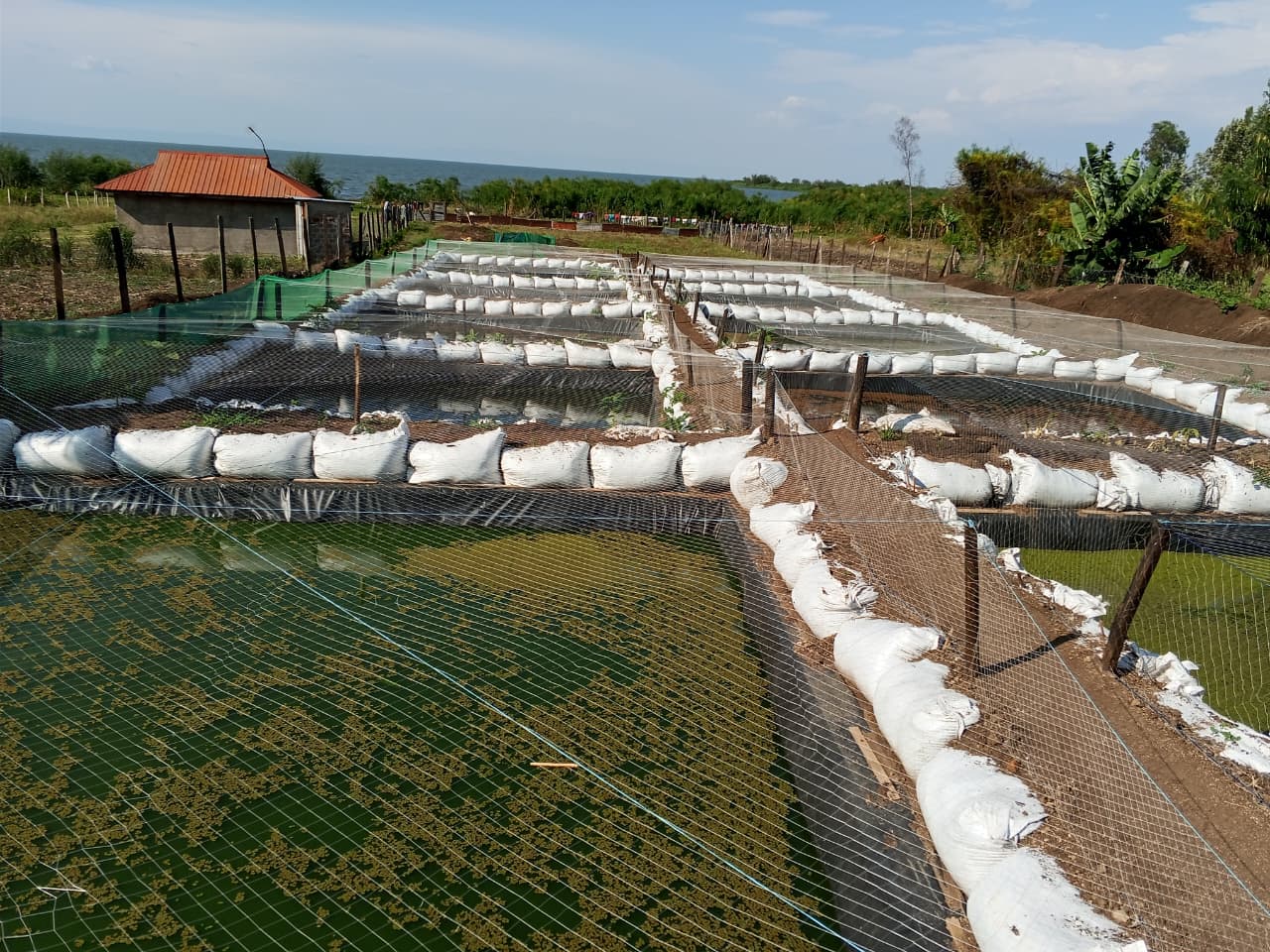
Our flagship enterprise is our community fish farming project. We constructed large, professionally managed fishponds that serve as the economic engine for our organization. The fish harvested from these ponds are sold in local and regional markets, generating a steady, independent revenue stream that Bero Ngima reinvests directly into our public health and education programs. This ensures our CBO remains financially self-sustaining.
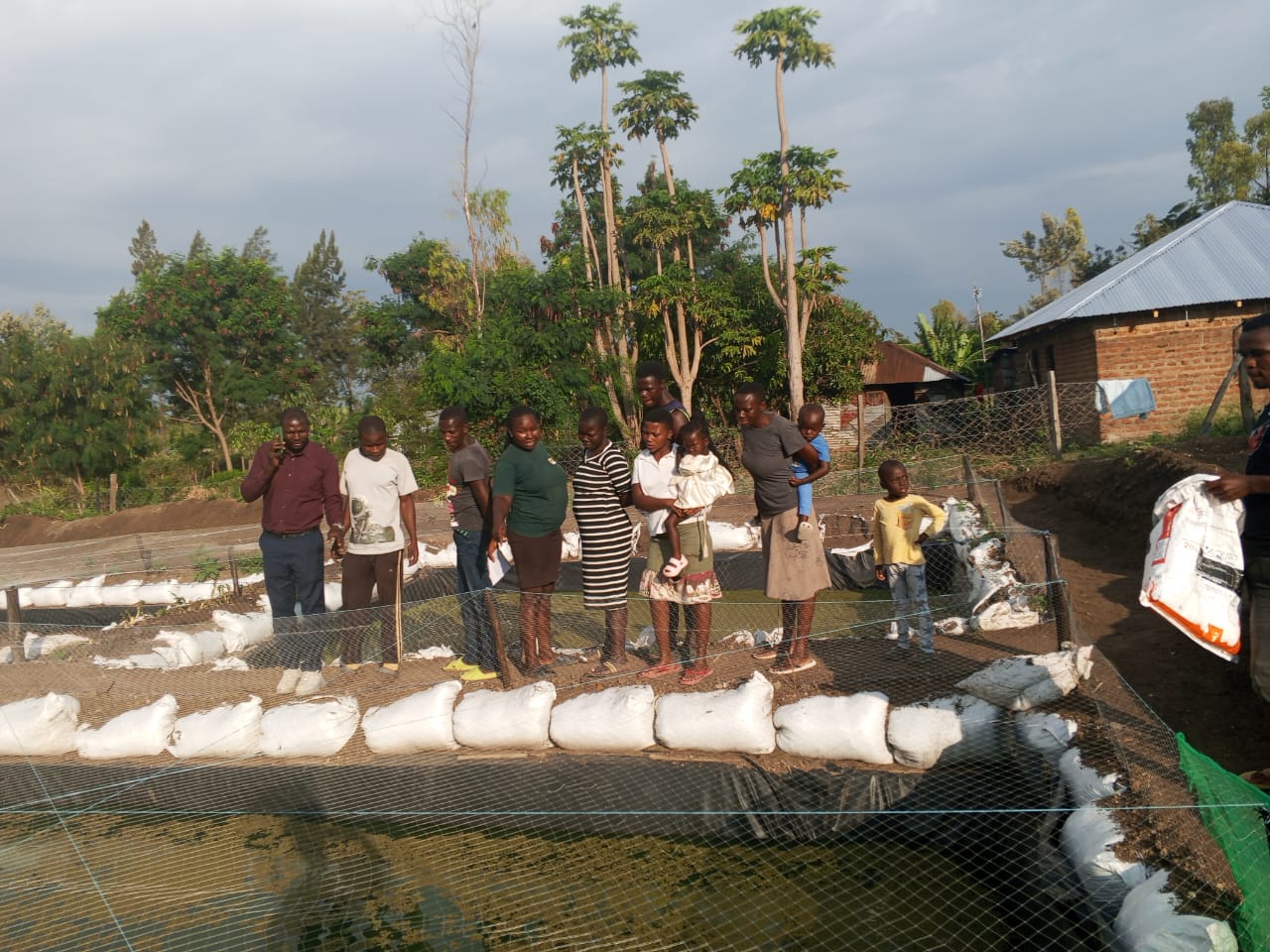
Crucially, these ponds also function as live, hands-on agricultural classrooms. We enroll unemployed youth and vulnerable community members into intensive training cycles. They learn the precise science of modern aquaculture, including water quality management, feed optimization, and market pricing. Upon successful graduation, we do not simply send them away. We provide these new farmers with high-quality fingerlings and technical support, empowering them to establish their own household ponds. This multiplier effect transforms idle residents into independent, profitable food producers.
2. Sustainable Tree Farms and Agroforestry
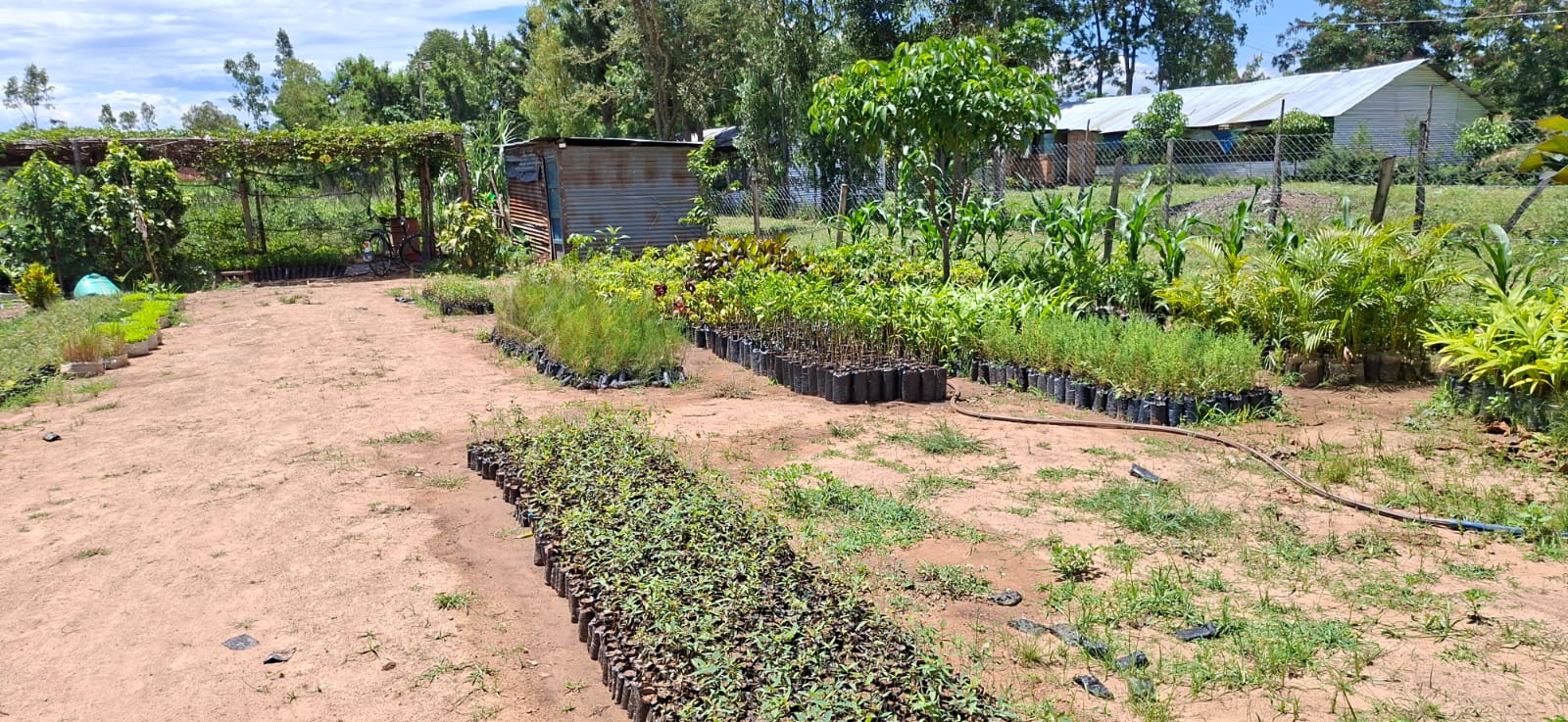
Deforestation has severely damaged our local microclimate and accelerated topsoil erosion. To combat this while generating income, we established commercial tree nurseries. These farms specialize in cultivating indigenous timber species and high-yield fruit trees. Local youth are employed to manage the nurseries, gaining vital skills in agroforestry, grafting, and organic pest control.
The mature saplings are sold to local landowners, regional agricultural programs, and local governments for reforestation campaigns. This enterprise not only creates reliable green jobs but also actively restores the tree cover of Homa Bay County. By integrating fruit trees into the local landscape, we are also securing a long-term, passive nutritional source for local households.
3. Climate-Smart Horticulture
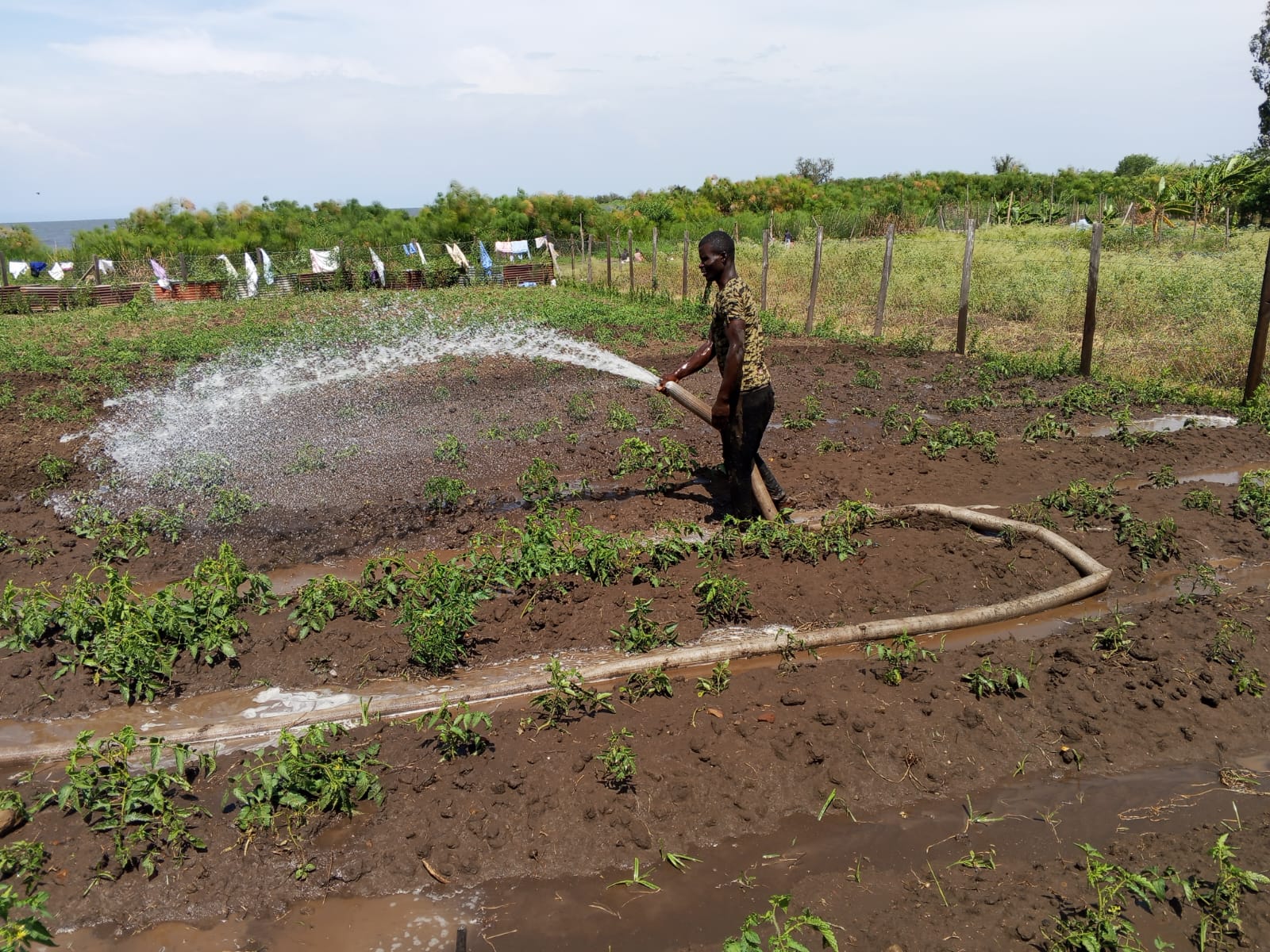
To maximize our land use, we integrate our aquaculture and forestry projects with climate-smart vegetable farming. We utilize the nutrient-rich wastewater from our fishponds to irrigate high-yield, drought-resistant crops. This circular farming method dramatically reduces our reliance on chemical fertilizers while producing abundant, healthy vegetables. The surplus produce is sold at local markets, ensuring that highly nutritious, affordable food is always available to the residents of Obaria Beach, regardless of the season.
The Human Impact
Our agribusiness interventions are actively rewriting the economic future of Obaria Beach. By providing physical assets, expert training, and startup materials like fingerlings, we have broken the cycle of dependency. We are proving that with the right infrastructure, vulnerable communities can produce their own wealth, secure their own food supply, and fund their own social safety nets.