Access to Clean Water
The Challenge in Obaria Beach
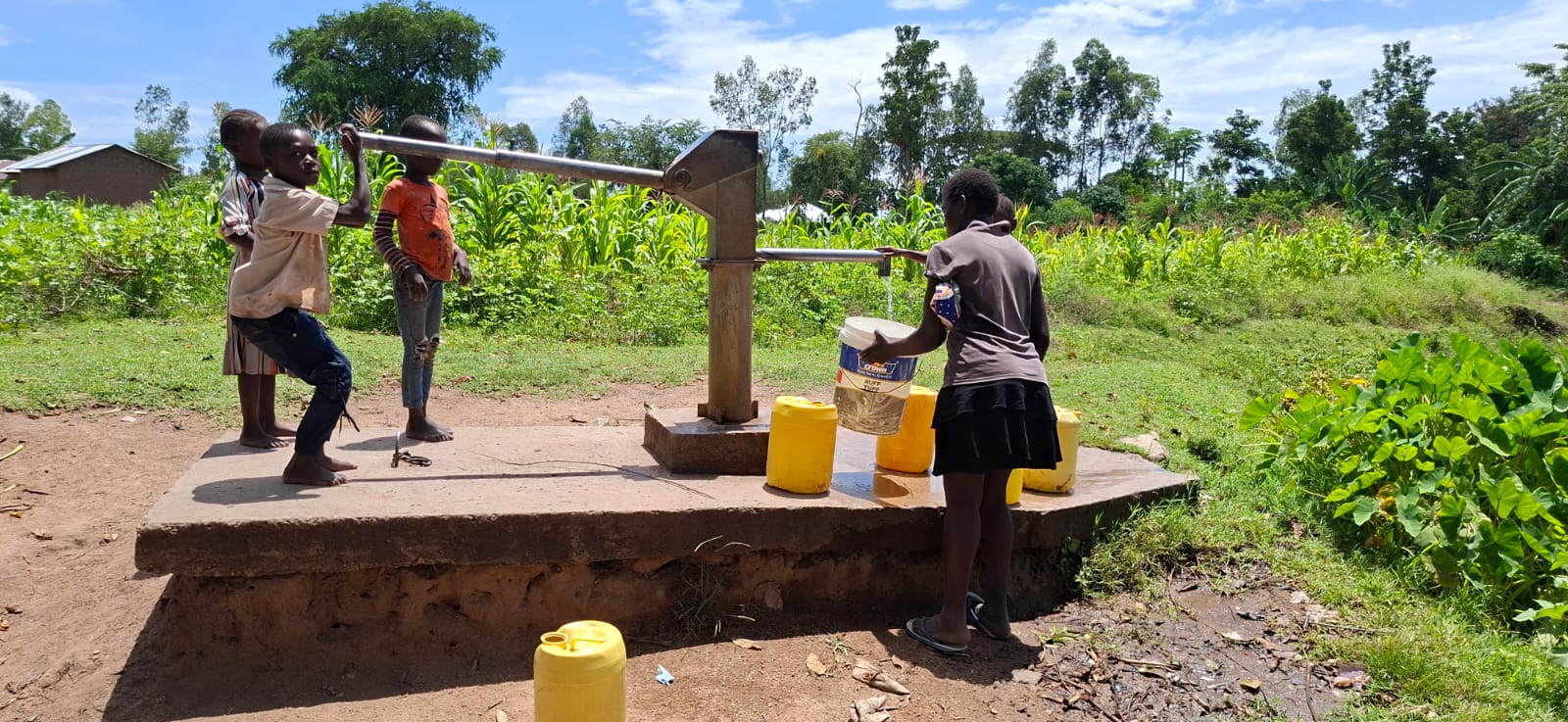
Obaria Beach is a vibrant fishing settlement on the shores of Lake Victoria’s Kavirondo Gulf, home to approximately 4,000 residents. Despite living right next to a massive freshwater resource, the community faces a severe clean water crisis.
The widespread reliance on raw, untreated lake water for drinking and domestic use exposes residents to dangerous pathogens, resulting in persistently high rates of waterborne illnesses. The burden falls heaviest on women and children, whose daily chore of fetching water limits economic productivity and significantly reduces school attendance.
Our Objective
“To ensure that every resident, school, and health facility in Obaria Beach has reliable, sustainable access to safe drinking water and proper sanitation infrastructure, breaking the cycle of waterborne diseases.”
How We Deliver Clean Water
We do not believe in temporary handouts. Bero Ngima implements a comprehensive Water, Sanitation, and Hygiene (WASH) strategy executed through four core pillars:
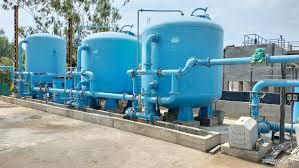
Lake Water Treatment & Distribution
To permanently reduce the community’s reliance on untreated raw water, we are developing localized water infrastructure. This centers on the installation of a Mini Water Treatment Plant. By pumping lake water through a centralized purification system, we can safely pipe clean water to elevated community storage tanks, drastically cutting down the distance families must walk to access safe water.
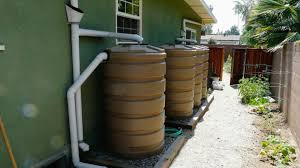
Institutional Rainwater Harvesting
To build climate resilience and supplement our primary water systems, we install high-capacity rainwater harvesting infrastructure. We prioritize high-impact community hubs, specifically local schools and health facilities. Catching and storing rainwater provides a reliable secondary water source during wet seasons and reduces operational strain on the main treatment plant.
Point-of-Use Purification
While large-scale infrastructure is being developed, families still need safe drinking water today. Bero Ngima provides immediate interventions by distributing household-level water purification supplies, such as chlorine tablets and filtration devices. Our field teams conduct mandatory, hands-on demonstrations to guarantee families understand the correct dosage and maintenance.
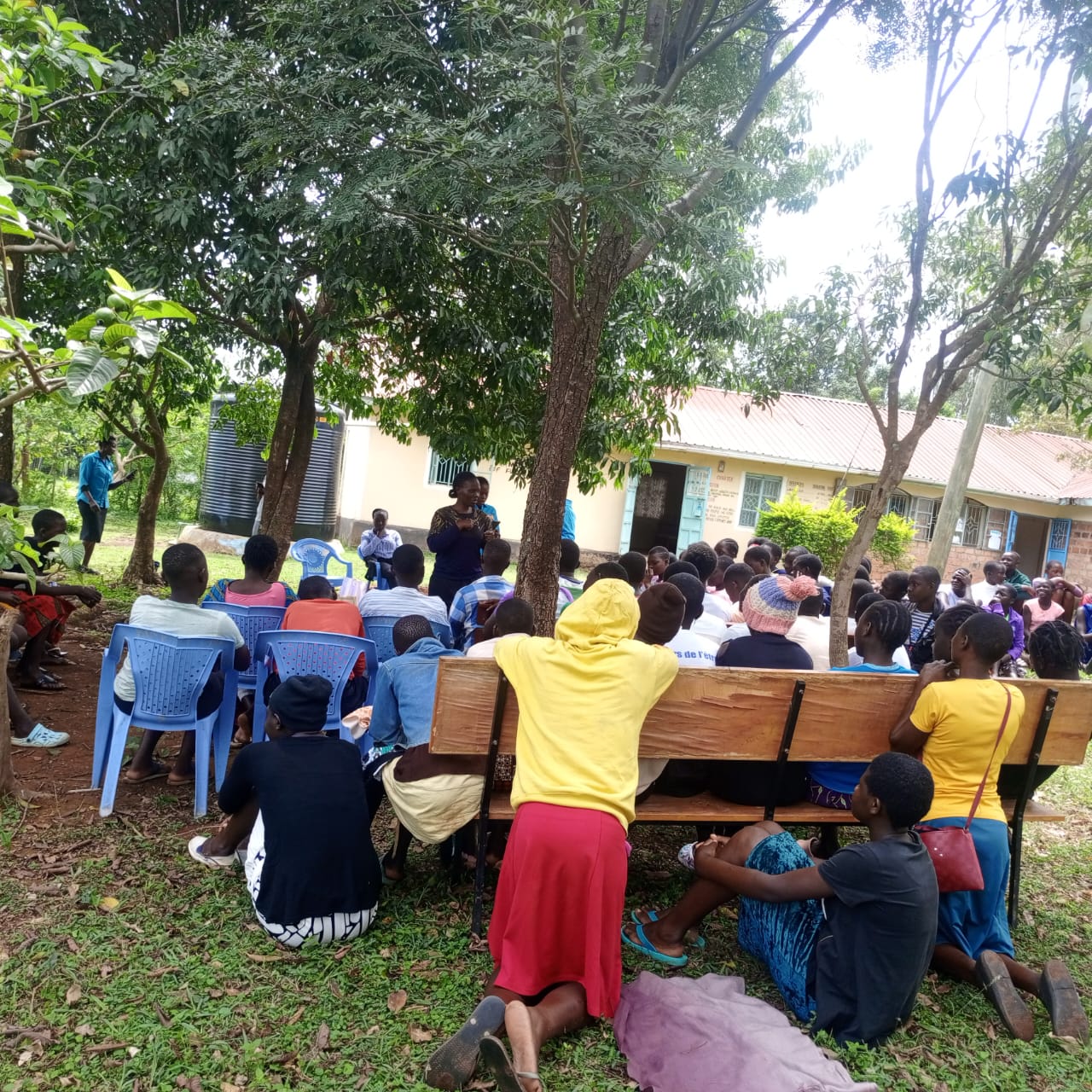
Community Education & Capacity Building
Clean water from a tap can easily become contaminated if stored improperly at home. To ensure long-term behavioral change, we recruit and train local Community Health Volunteers. They lead interactive neighborhood workshops focused on safe water handling, proper storage techniques, and fundamental hygiene practices, ensuring knowledge remains within the community permanently.
Measuring Our Impact
Transparency drives our programs. We track the success of our WASH interventions through strict monitoring and evaluation protocols.
Documented reduction of waterborne disease cases at local health dispensaries.
Increase in daily school attendance rates, specifically among young girls.
Volume of purified water successfully distributed through community taps.
Percentage of households successfully adopting safe water storage practices.