Building Economic Resilience
Disaster Recovery & Youth Enterprise Project
The Compounding Crisis
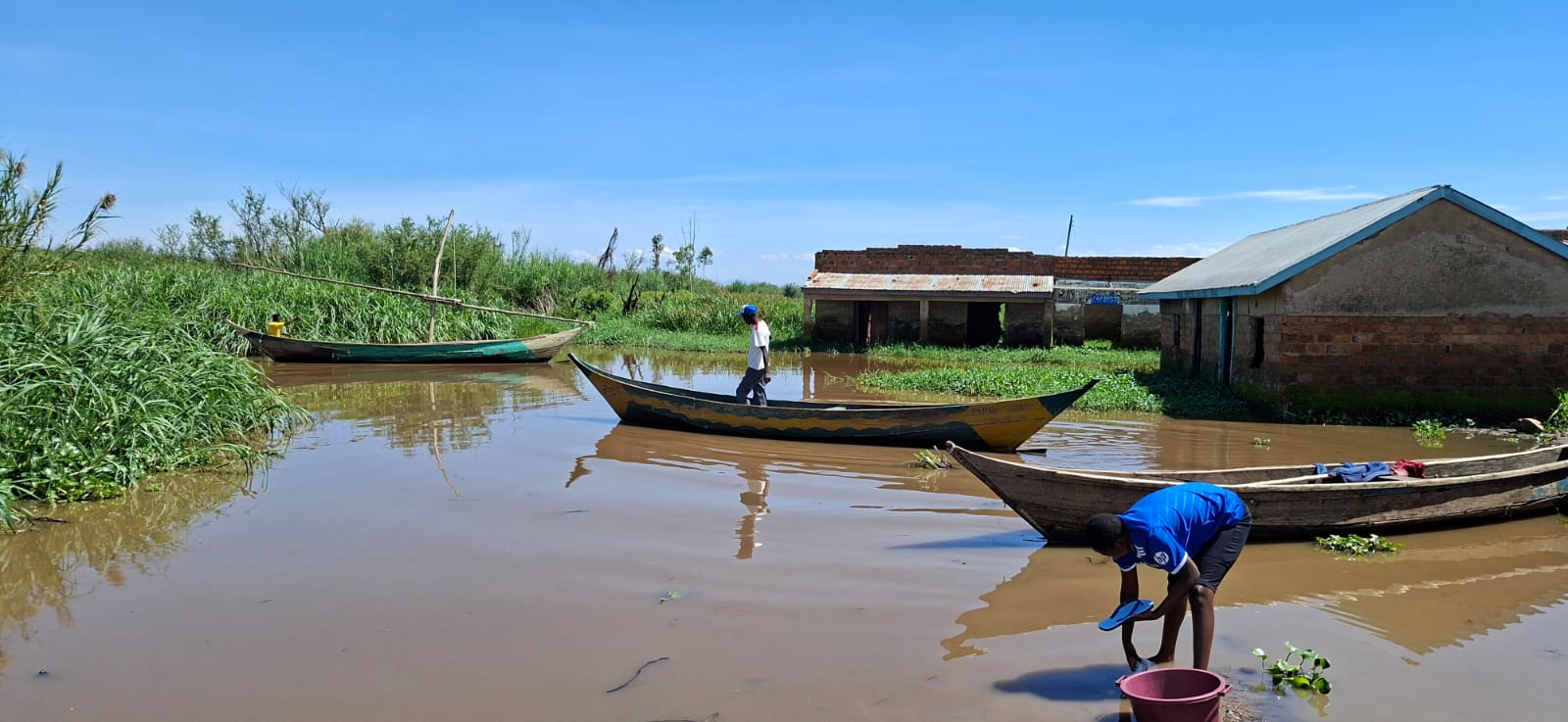
Vulnerability in Obaria Beach is driven by a devastating combination of environmental instability and severe economic stagnation. During the heavy rainy seasons, the rising waters of Lake Victoria routinely break their banks, sweeping through the community with destructive force. Hundreds of families are displaced overnight. Homes are completely submerged, vital household assets are destroyed, and the local fishing economy is brought to a standstill. These environmental refugees require immediate, life-saving assistance simply to survive the season.
This seasonal devastation heavily compounds the already critical crisis of youth unemployment. When a community loses its assets to floods, the youth are left entirely idle and desperate. This lack of economic opportunity creates a dangerous ripple effect across the region. Unemployed young men, lacking purpose and income, frequently fall into substance abuse and localized crime. Simultaneously, the young girl child becomes profoundly vulnerable. Desperate to secure basic daily needs for themselves or their families, many young girls are pushed into highly exploitative transactional relationships, leading to early pregnancies and the permanent loss of their educational futures.
Our Intervention: Sustainable Wealth Creation
Bero Ngima CBO recognizes that you cannot solve crime, abuse, or exploitation without first solving the underlying poverty. We designed a robust economic resilience project to absorb idle youth, generate steady incomes, and fortify the community against future disasters. We achieve this through structured, locally managed enterprises.
1. The Community Fish Farming Project
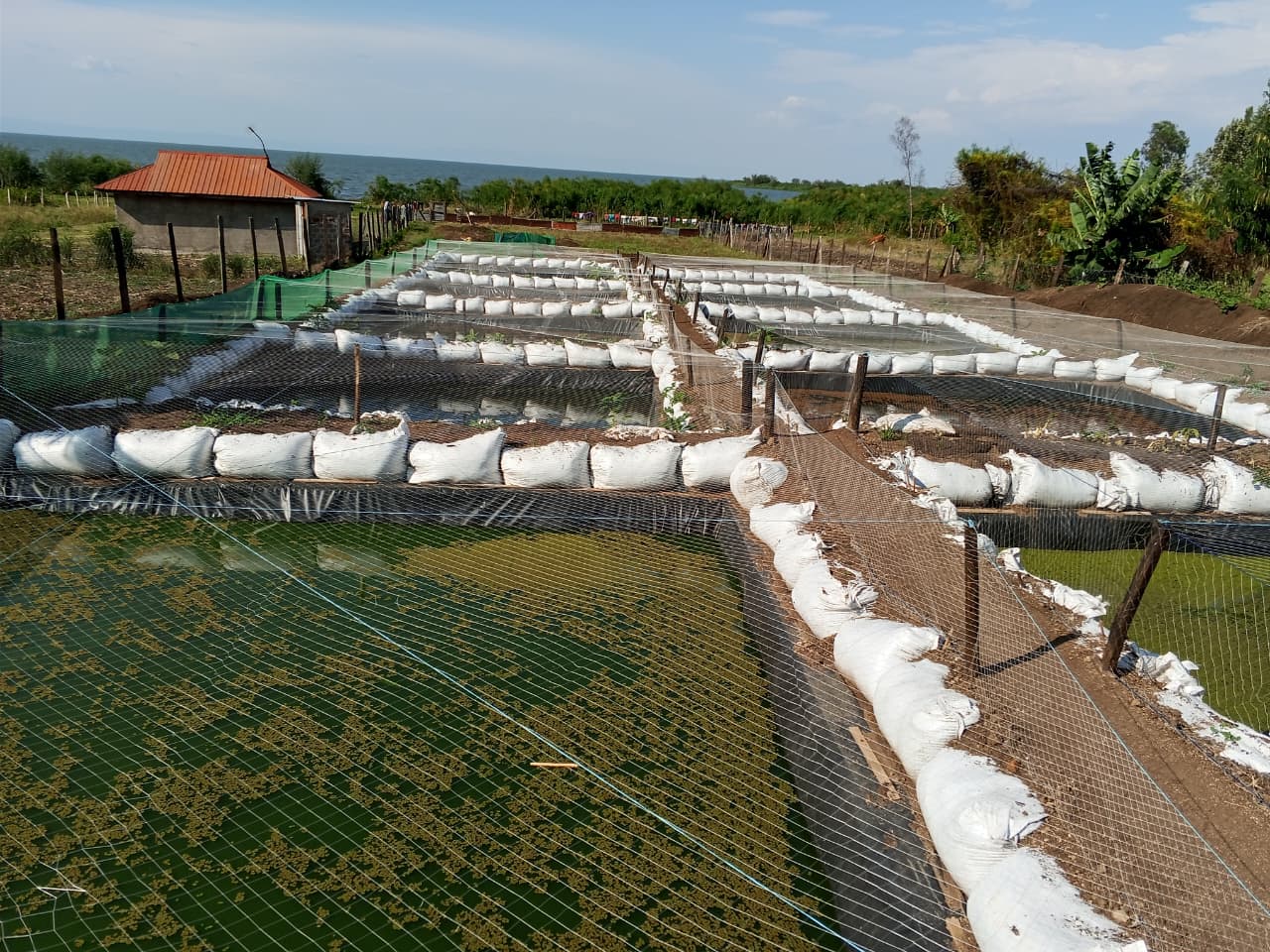
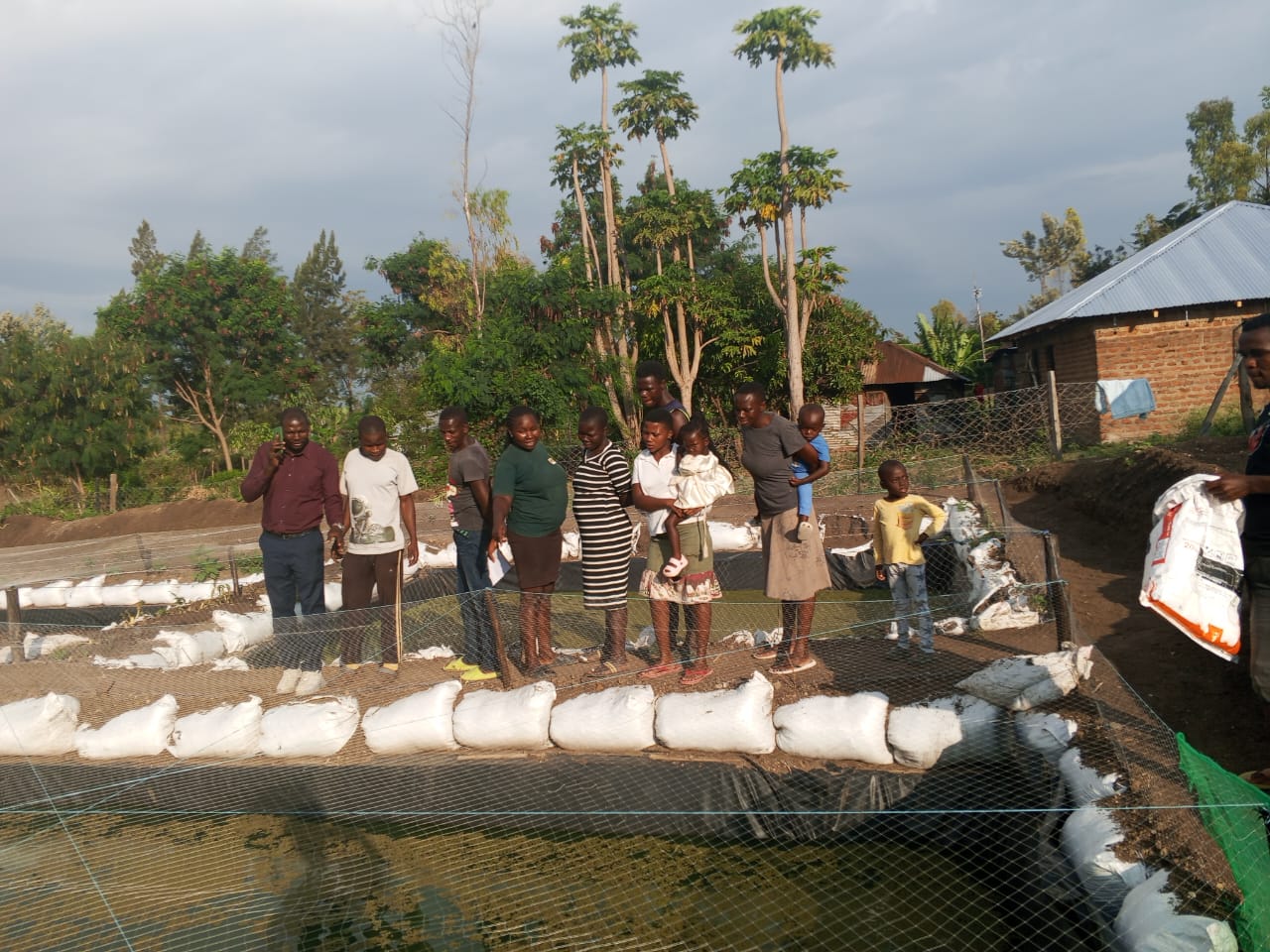
To combat local food insecurity and create sustainable jobs, we initiated a comprehensive community aquaculture project. We constructed large, managed fish ponds that serve a dual purpose for the region. First, they provide a highly reliable, nutrient-dense source of protein for families who lost their livelihoods to the floods. Second, the ponds operate as active agricultural training centers.
We enroll unemployed youth into hands-on training programs where they learn modern fish farming techniques, water quality management, and business operations. By taking ownership of the feeding, harvesting, and selling cycles, these youths are transformed from idle dependents into skilled, revenue-generating food producers.
Regulated Sand Mining Cooperatives
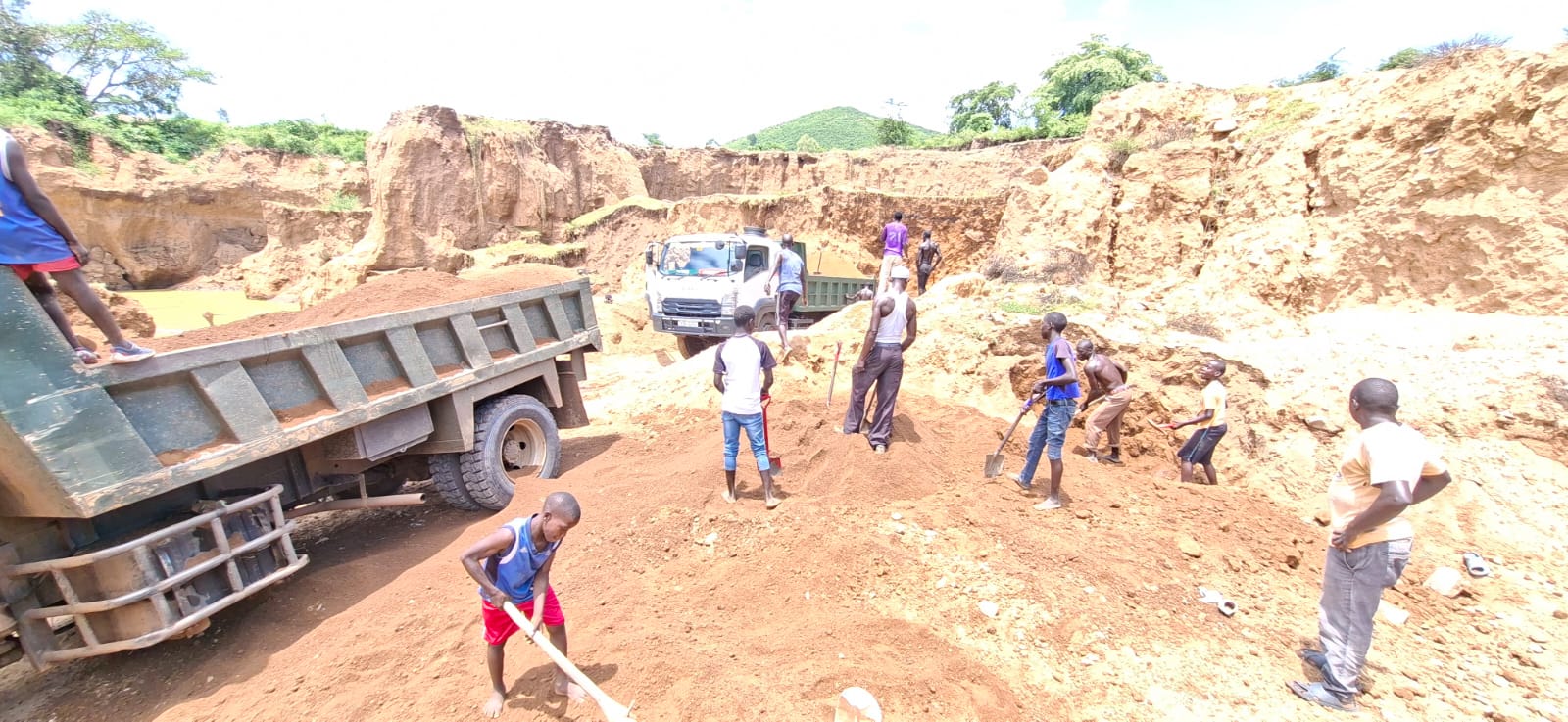
The local landscape provides natural resources that can be highly profitable when managed correctly. Previously, sand mining in the area was an informal, dangerous, and environmentally destructive hustle. We intervened by organizing unemployed youth into formal, regulated sand mining cooperatives. We provide them with proper safety equipment, environmental sustainability guidelines, and vital financial literacy training.
By formalizing this industry, we gave young people a safe, legitimate opportunity to earn a steady living. They negotiate better market prices as a collective and deposit a portion of their earnings into a communal savings pool, creating a financial safety net for future rainy seasons.
Flood Relief & Resilient Rebuilding
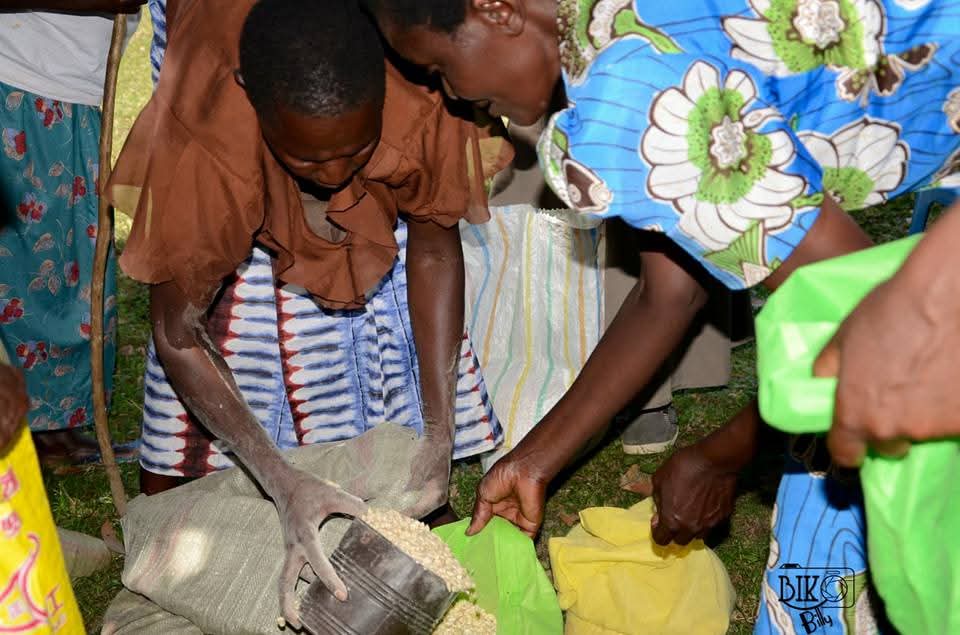
While we build long-term wealth through farming and mining, we also address the immediate physical disaster. For families displaced by the floods, we provide emergency relief packs containing dry food, clean water, and warm blankets. Furthermore, we train our vocational carpentry and masonry students to help rebuild the destroyed homes using elevated, flood-resilient structural techniques. This ensures that when the next rainy season arrives, the community is protected.